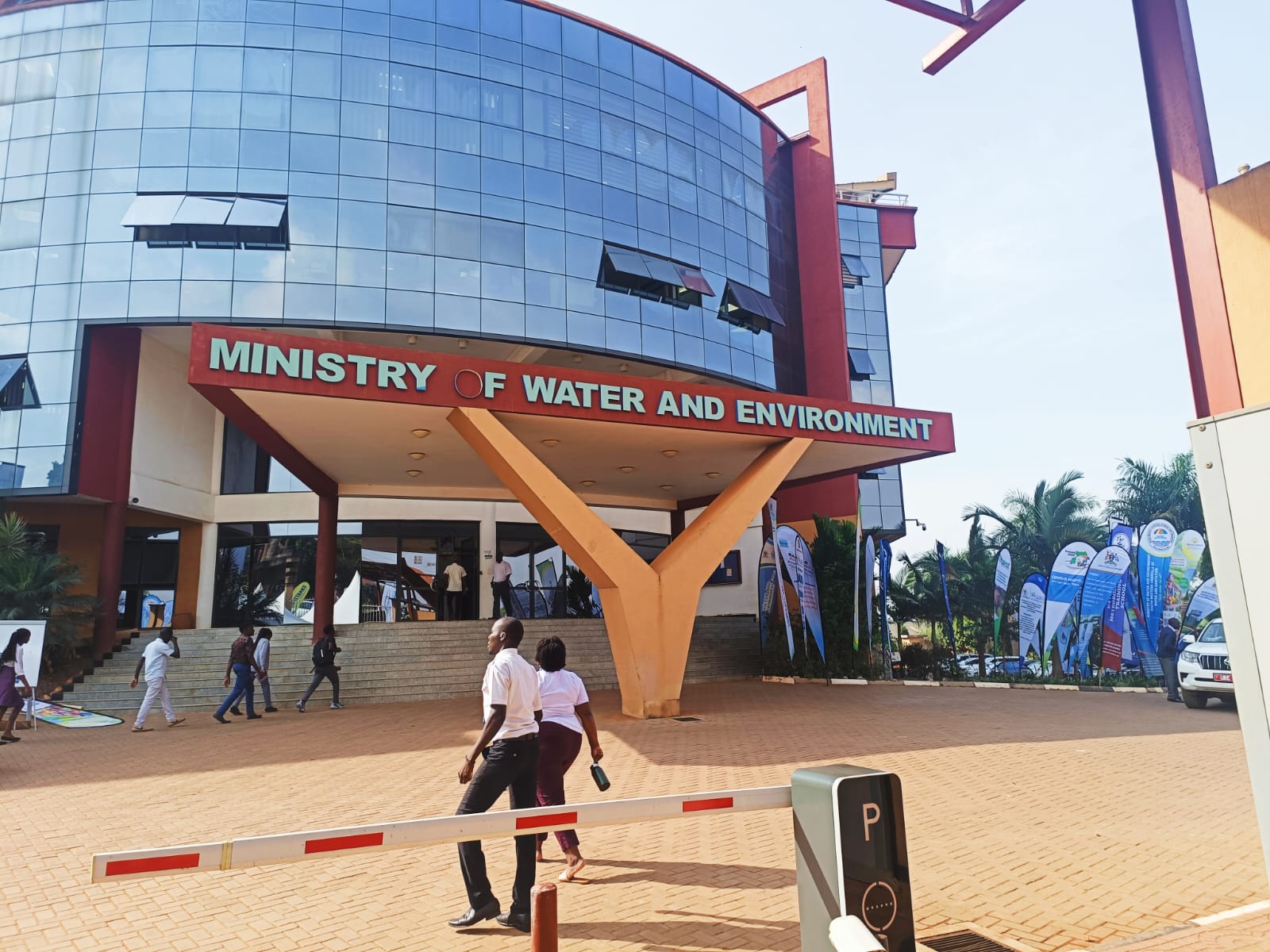
We are committed to ensuring sustainable management of Uganda's water and environment resources for the benefit of present and future generations. Our mission is to promote and ensure the rational and sustainable utilization of water and environment resources for socio-economic development.
Our Mission Statement:
To promote efficient and effective utilization of water and environment resources for a healthy, wealthy and climate resilient population
Vision Statement:
Transformed Ugandan Society with environment and natural resources sustainably managed.
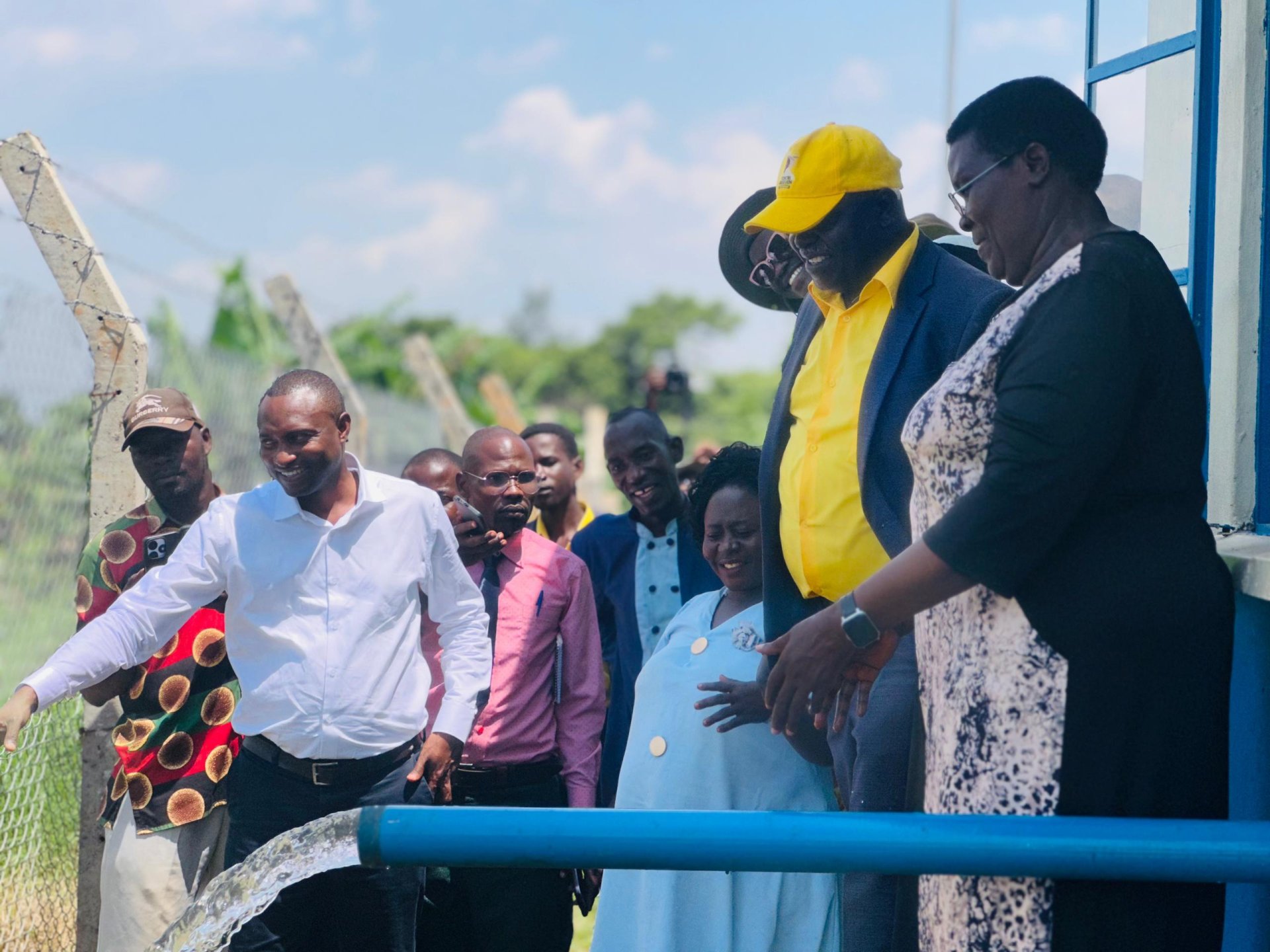
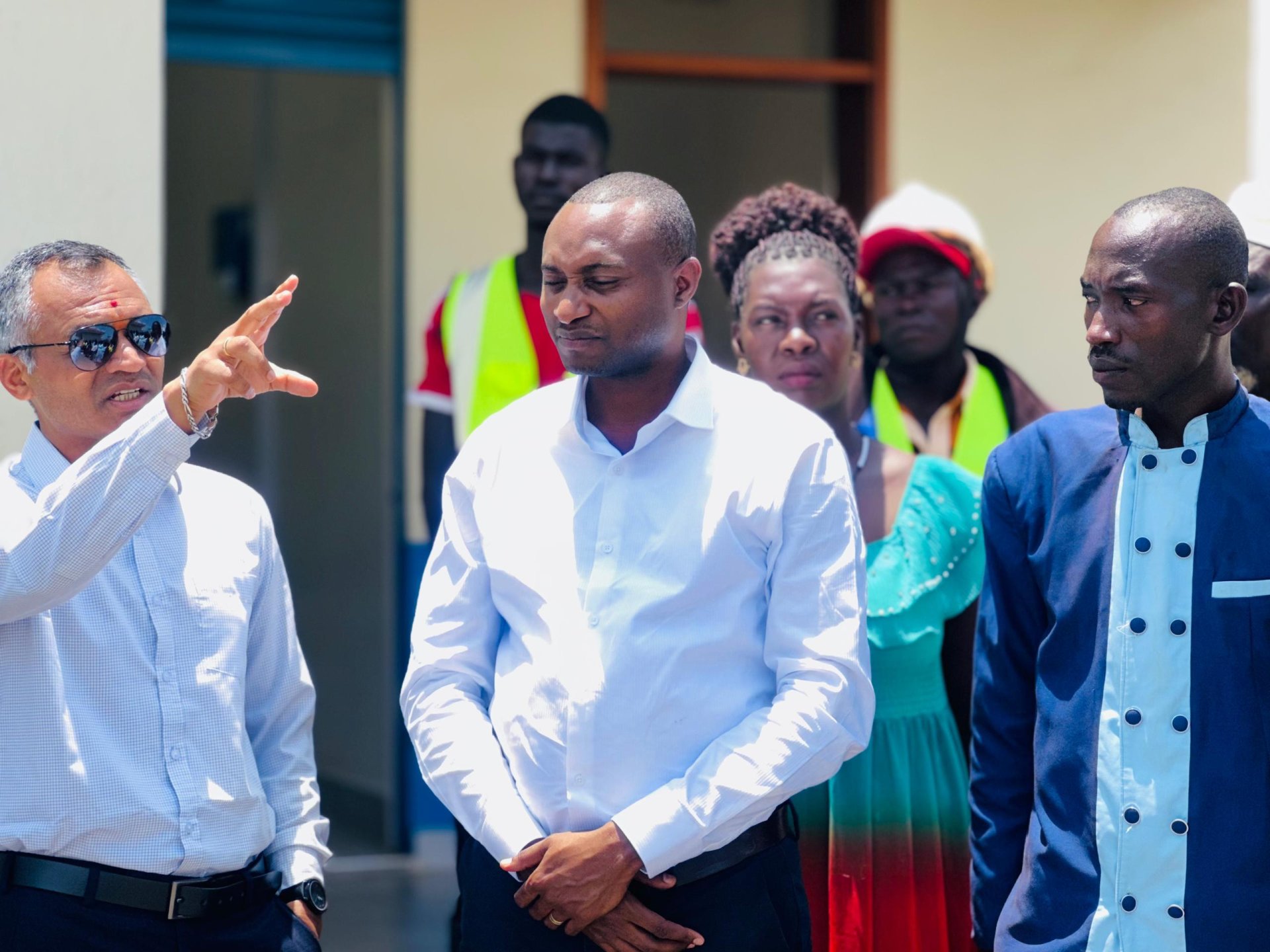
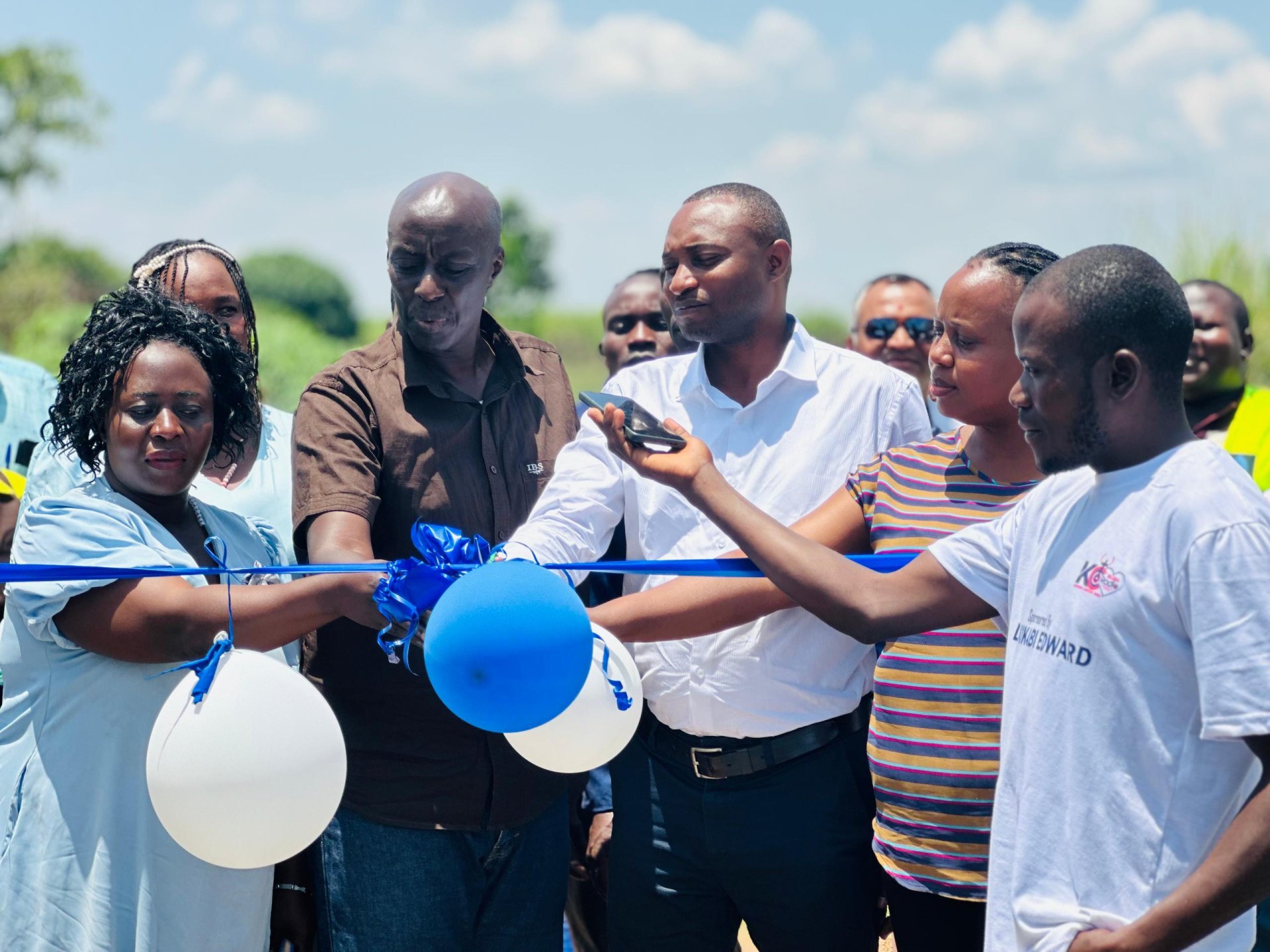
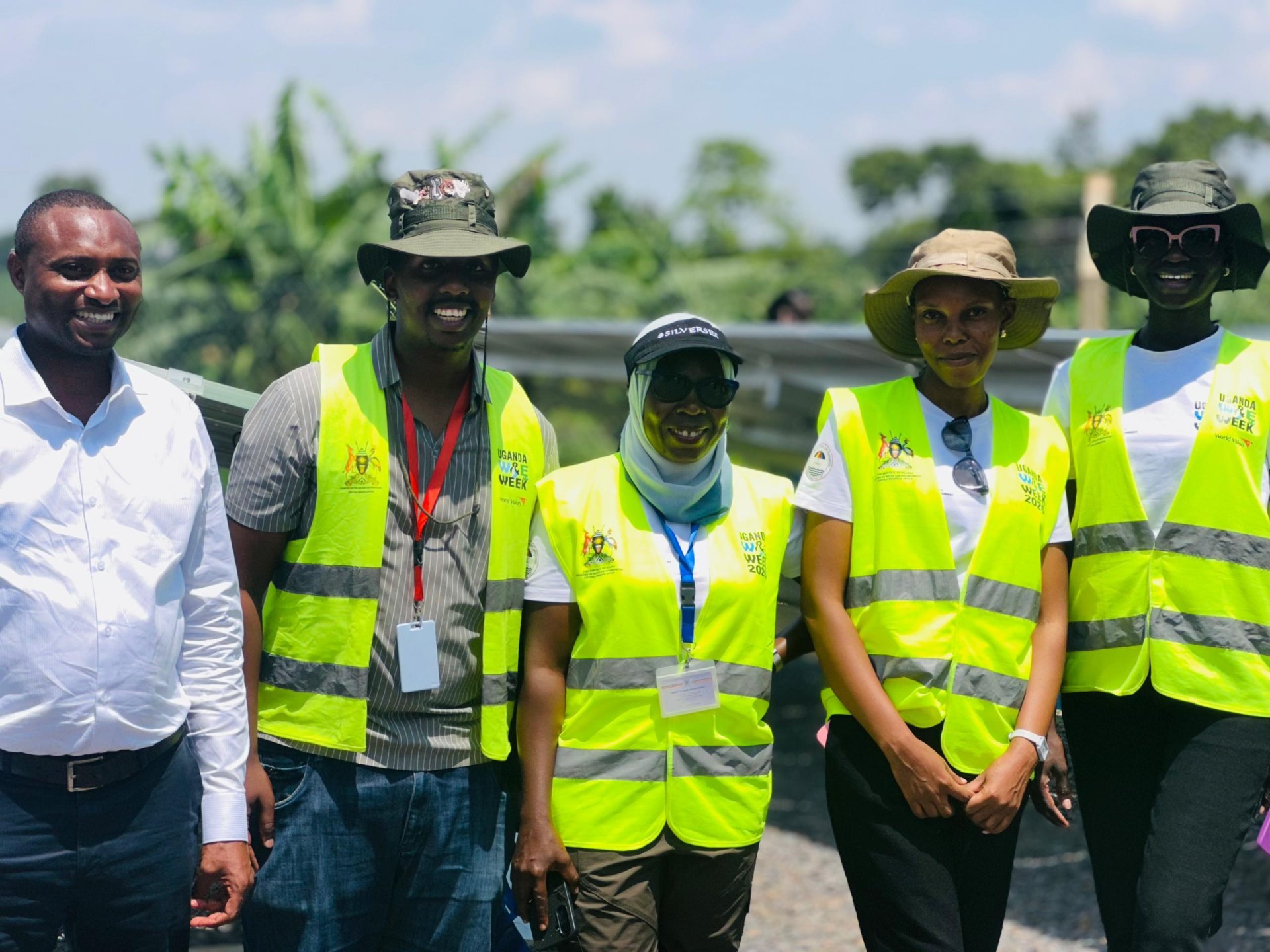
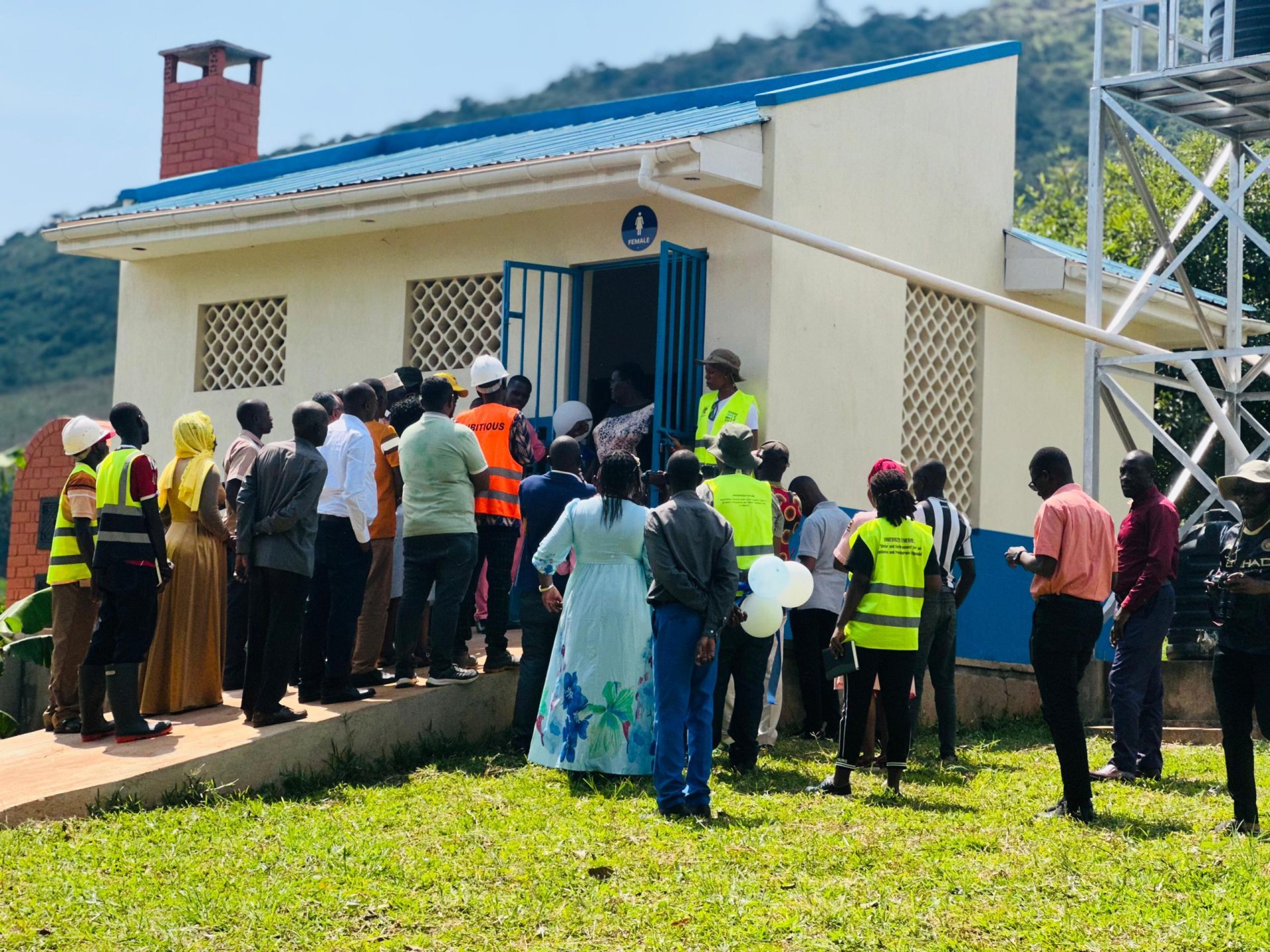
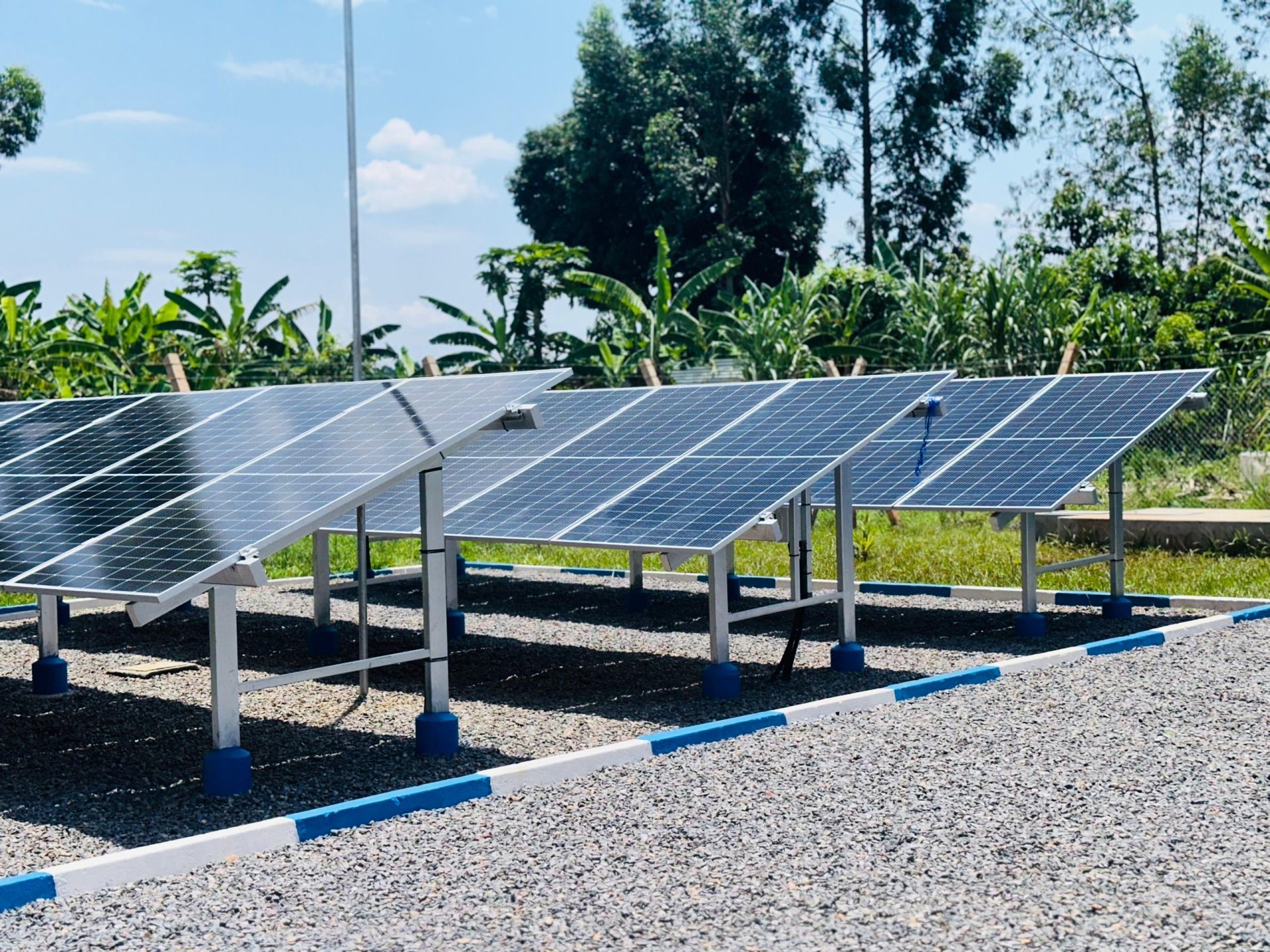
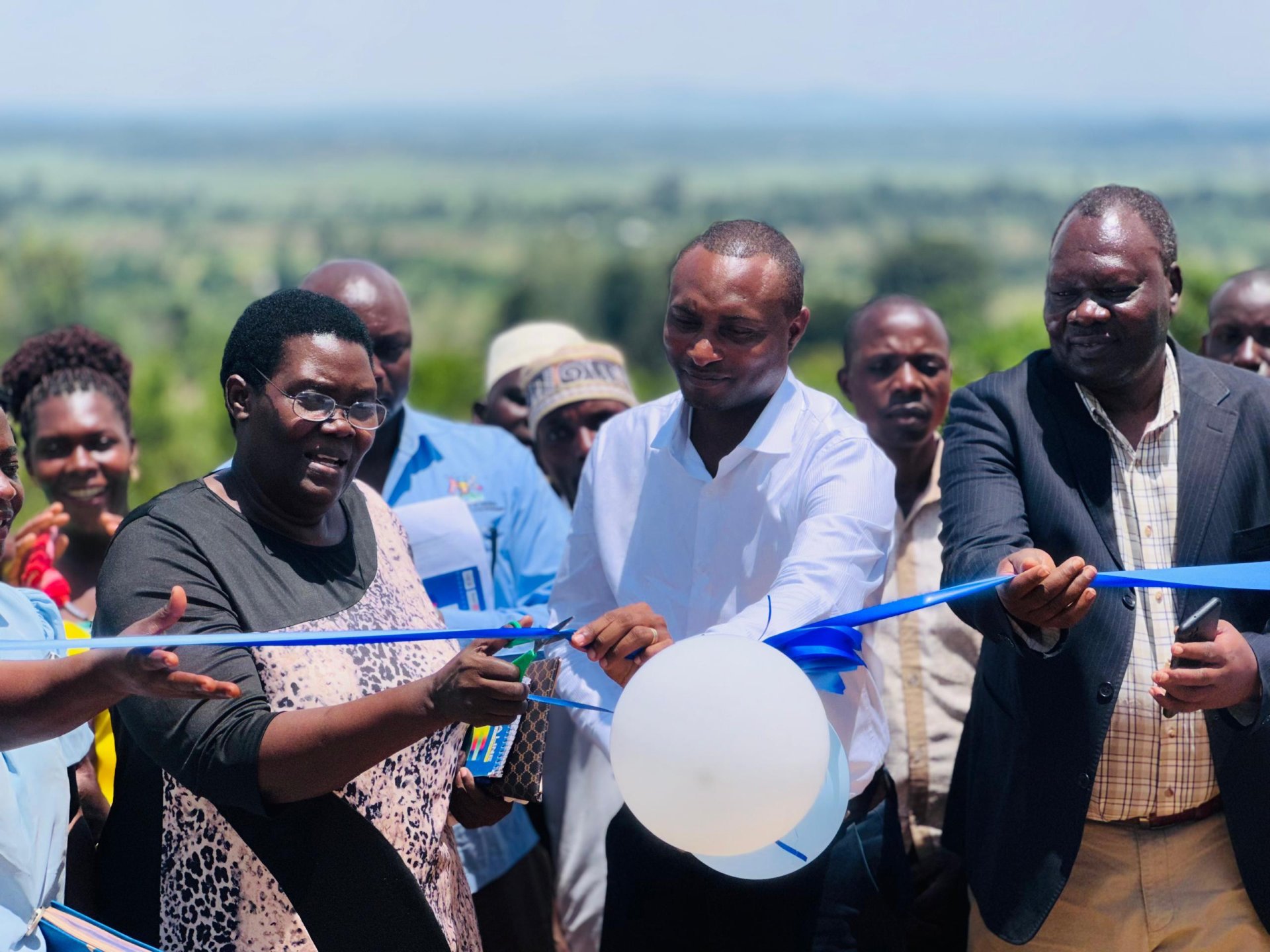
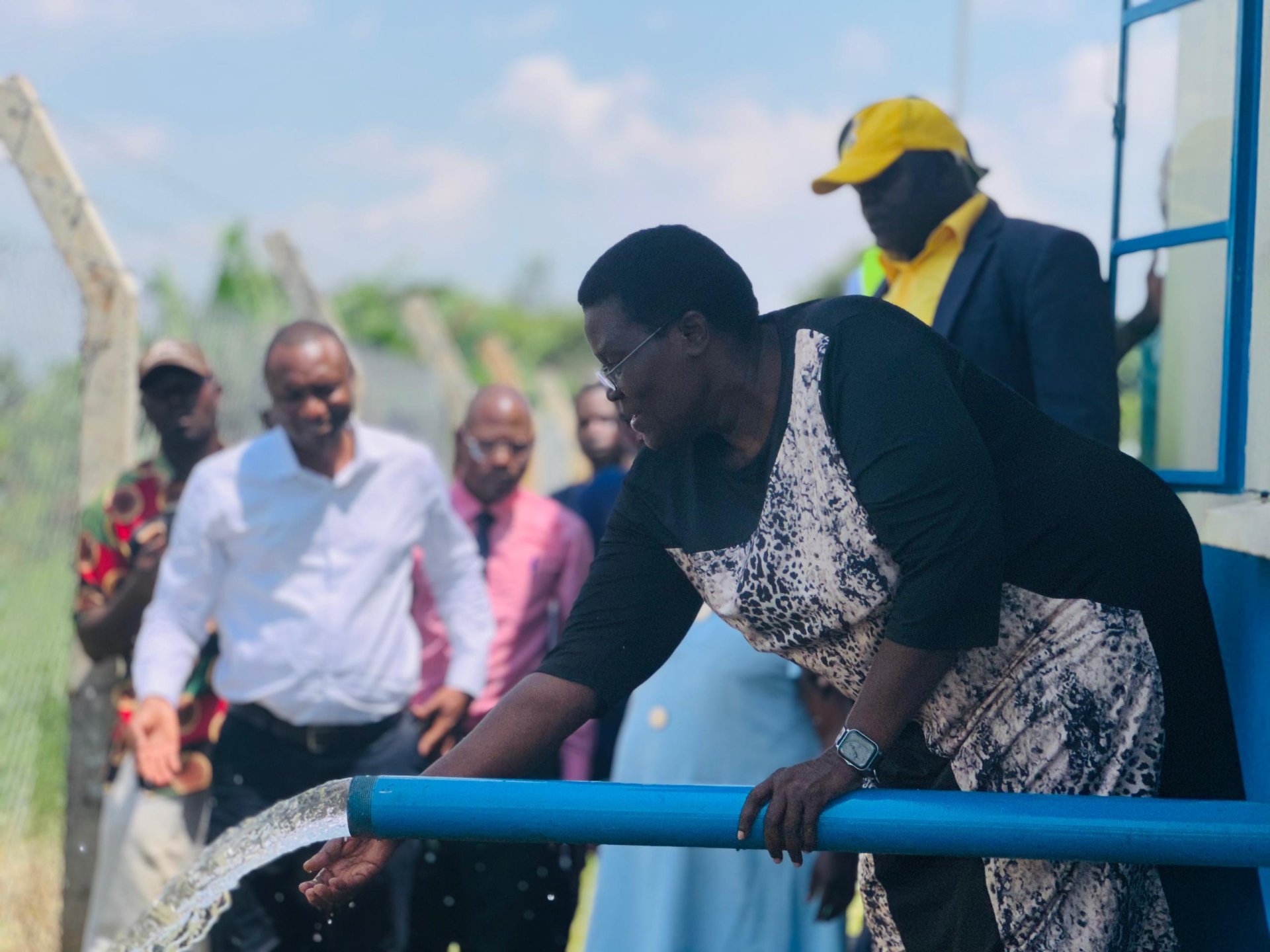
On 26th August 2026, the Ministry of Water and Environment (MWE) through the Rural Water Supply and Sanitation Regional Centre 4 - Wakiso (RWSSRC 4), together w...
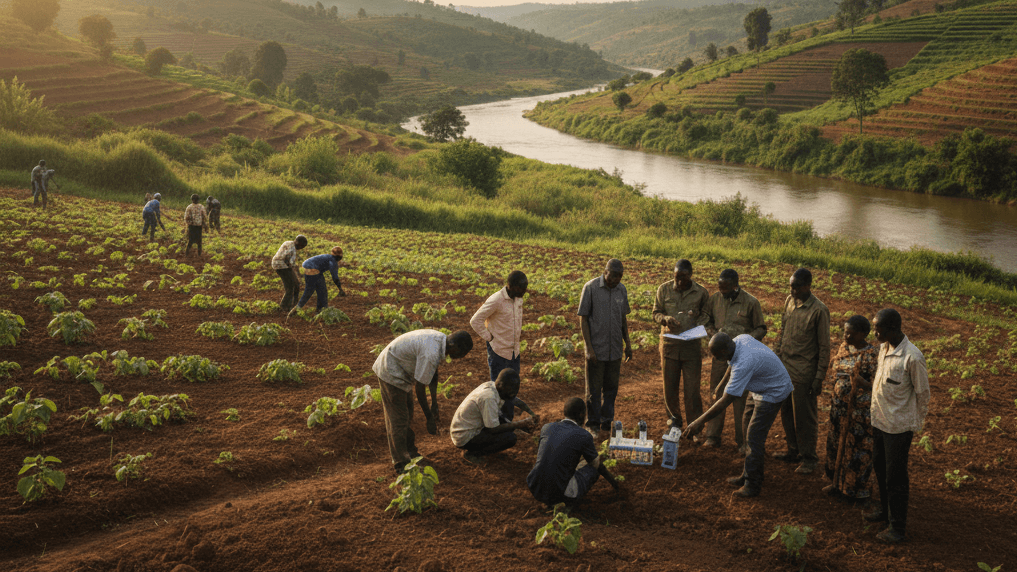
Introduction The Government of Uganda (GOU) has received funding from the Global Environment Facility (GEF) through the African Development Bank (AfDB) for the development of the Strengthening the Adaptive Capacity and Resilience of Communities in Uganda’s watersheds project (SACRiAC). The Project’s Executing Agency, the Ministry of Water and Environment (MWE), is responsible for the overall implementation and management of the Project. The project (SACRiAC) objective is to build adaptive capacity of rural communities and reduce their vulnerability to climate change and improve rural livelihoods and food security through integrated watershed management, climate-resilient infrastructure, and sustainable agriculture. SACRiAC will be implemented in Bukedea, Sironko, Kapchorwa, and Bulambuli districts, within the Awoja catchment downstream of the sub-catchments of Komirya, Sironko, Simu-sisi, Muyembe, and Sipi. It will be implemented, with focus on catchment management and improving rural livelihood. Background Uganda’s economy and local communities are vulnerable to climate change and variability as a result of several compounding factors: heavy reliance on natural resources, particularly within the agricultural sector; dependence on rain-fed agriculture; close linkages between agriculture performance and climatic changes – with the gross domestic product (GDP) and inflation rates closely corresponding to seasonal rainfall patterns; high population growth rates – ~3.6% per year – that in combination with high poverty levels reduce capacity to cope with climate hazards; low per capita income; limited financial capacity to fund adaptation measures; weak and inadequate infrastructure; inadequate supply of clean water and sanitation facilities; and inadequate availability of health and medical services. Floods and droughts have the greatest impacts on local communities as well as socio-economic sectors – particularly the agriculture sector. Other predicted socio-economic impacts will result in the reduction of: national security; the life-span and durability of infrastructure; hydropower production; human health; and ecosystem integrity, and thus natural capital. Climate change is expected to disproportionately affect vulnerable groups. These include the poor, people living with disability and HIV/AIDS, youth and children – orphans in particular – the elderly, refugees, and marginalized communities. Current and future impacts of climate change, therefore, make adaptation urgent. Without adaptation, the negative effects of climate change will undermine years of development assistance and asset accumulation in Uganda. Effective adaptation planning – in the context of this project and in particular for an increase in intensity and frequency of droughts, floods, and severe storms requires: improved climate monitoring and early warning systems; reduced vulnerability of people, livelihoods, physical assets, and watersheds to the adverse effects of climate change, through improved storage and reduced land degradation; and strengthening institutional capacities for effective climate change Adaptation.
The EU-TF (SPRS-NU) Support Programme to the Refugee Settlements and Host Communities in Northern Uganda is a multifaceted initiative established under the European Union Emergency Trust Fund for Africa. Its primary objective is to address the humanitarian and developmental needs of South Sudanese refugees and their host communities in Northern Uganda, particularly in response to the significant influx of refugees since July 2016. The project aims to move beyond emergency aid towards more sustainable solutions, fostering stability and reducing the risk of conflict between refugee and host populations. Overall Objective and Specific Aims The overarching objective of SPRS-NU is to reduce the risk of violent conflict between host communities and refugees in the refugee-hosting districts of Northern Uganda. More specifically, the project aims to: Improve food security, nutrition, and livelihoods of both refugee populations and host communities in a sustainable manner, by enhancing local production and fostering economic exchanges. Improve inter-community dialogue at the local level and establish conflict prevention mechanisms to mitigate clashes between or within communities. Improve the level of education and increase medium to long-term economic opportunities for refugees and host communities, especially youth and women, through skills development and entrepreneurship support, contributing to better integration. Ensure sustainable access to safe water and improve environmental sanitation conditions in targeted settlements and host communities. Project Components The SPRS-NU project is structured around several key components, often implemented by different partners to achieve its comprehensive objectives: Livelihood and Labor Market Relevant Skills Development: Focuses on providing quality skills training, entrepreneurial guidance, and start-up kits for refugees and host communities, with a particular emphasis on youth, women, and girls. This includes vocational training and accreditation of acquired skills. Water, Sanitation, and Hygiene (WASH) Component: Concentrates on constructing and rehabilitating essential water supply systems (e.g., piped water systems), improving environmental sanitation through the construction of faecal sludge treatment plants, and establishing sustainable operation and maintenance structures for these facilities. Community Dialogue and Conflict Prevention: Aims to facilitate improved relations between refugees and host communities through dialogue mechanisms and the establishment of local conflict prevention initiatives. Basic Services and Education: Supports improved access to essential services like education, recognizing its role in long-term economic opportunities and integration. Key Activities and Progress Within the WASH component, the project has specifically targeted 12 settlements, including Alere, Nyumanzi, Maaji II, Olujobo, Ranch I, Ayelo, Maaji III, Pagirinya, Bidibidi Zone V, Eden, Afua, and Ariaze. The project has undertaken a range of activities to achieve its aims: Skills Development: Provision of technical vocational education and training (TVET) and entrepreneurship support, with thousands of beneficiaries receiving quality skills development and start-up kits. WASH Infrastructure: Construction of piped water supply systems and faecal sludge treatment plants, alongside geological and hydrological surveys and drilling of production wells in various settlements (e.g., Alere, Nyumanzi, Maaji II, Ranch I). Feasibility Studies and Designs: Ongoing detailed engineering designs for water and sanitation infrastructure in several settlements. Inter-Community Dialogue: Facilitating platforms for dialogue and conflict prevention. Mid-term Reviews: Periodic reviews (e.g., November 2023) assess project performance, coherence, efficiency, effectiveness, impact, and sustainability, providing insights for continuous improvement and learning. Impact and Legacy The EU-TF (SPRS-NU) project has played a crucial role in addressing the complex challenges arising from large refugee populations in Northern Uganda. By focusing on both immediate needs and long-term development, it contributes significantly to: Enhanced Livelihoods: Equipping refugees and host communities with practical skills and entrepreneurial knowledge, thereby increasing their economic opportunities and reducing reliance on subsistence agriculture. Improved Social Cohesion: Mitigating potential conflicts by fostering better understanding and shared benefits between refugee and host communities. Access to Essential Services: Providing sustainable access to safe water and improved sanitation, which are fundamental for public health and environmental well-being. Sustainable Development: Laying a foundation for more resilient and self-reliant communities, aligning with Uganda’s Comprehensive Refugee Response Framework (CRRF) and broader development goals. While some components of the project have concluded their initial phases, the overall program’s integrated approach and its focus on sustainable solutions continue to inform and shape future interventions in refugee-hosting areas of Uganda.
The IFPA-CD project development objective is to to improve sustainable management of forests and protected areas and increase benefits to communities from forests in target landscapes that include Albertine Rift, the refugee hosting areas of West Nile Region and Lamwo District. The project has four components: Improved management of protected areas; Increased revenues and jobs from forests and wildlife protected areas; Improved landscape management in refugee-hosting areas; and Project management and monitoring.
VCS Program The Verified Carbon Standard (VCS) Program is the world’s most widely used greenhouse gas (GHG) crediting program. The Verified Carbon Standard (VCS) Program is the world’s most widely used greenhouse gas (GHG) crediting program. It drives finance toward activities that reduce and remove emissions, improve livelihoods, and protect nature. VCS projects have reduced or removed more than one billion tons of carbon and other GHG emissions from the atmosphere. The VCS Program is a critical and evolving component in the ongoing effort to protect our shared environment. By marrying scientific rigor and transparency with innovative thinking, the VCS Program has continually brought new projects, organizations, and people into the voluntary carbon market, as well as a growing number of compliance markets, and given them the necessary confidence to participate. Read More about the Project
Introduction The Government of Uganda (GOU) has received funding from the Global Environment Facility (GEF) through the African Development Bank (AfDB) for the development of the Strengthening the Adaptive Capacity and Resilience of Communities in Uganda’s watersheds project (SACRiAC). The Project’s Executing Agency, the Ministry of Water and Environment (MWE), is responsible for the overall implementation and management of the Project. The project (SACRiAC) objective is to build adaptive capacity of rural communities and reduce their vulnerability to climate change and improve rural livelihoods and food security through integrated watershed management, climate-resilient infrastructure, and sustainable agriculture. SACRiAC will be implemented in Bukedea, Sironko, Kapchorwa, and Bulambuli districts, within the Awoja catchment downstream of the sub-catchments of Komirya, Sironko, Simu-sisi, Muyembe, and Sipi. It will be implemented, with focus on catchment management and improving rural livelihood. Background Uganda’s economy and local communities are vulnerable to climate change and variability as a result of several compounding factors: heavy reliance on natural resources, particularly within the agricultural sector; dependence on rain-fed agriculture; close linkages between agriculture performance and climatic changes – with the gross domestic product (GDP) and inflation rates closely corresponding to seasonal rainfall patterns; high population growth rates – ~3.6% per year – that in combination with high poverty levels reduce capacity to cope with climate hazards; low per capita income; limited financial capacity to fund adaptation measures; weak and inadequate infrastructure; inadequate supply of clean water and sanitation facilities; and inadequate availability of health and medical services. Floods and droughts have the greatest impacts on local communities as well as socio-economic sectors – particularly the agriculture sector. Other predicted socio-economic impacts will result in the reduction of: national security; the life-span and durability of infrastructure; hydropower production; human health; and ecosystem integrity, and thus natural capital. Climate change is expected to disproportionately affect vulnerable groups. These include the poor, people living with disability and HIV/AIDS, youth and children – orphans in particular – the elderly, refugees, and marginalized communities. Current and future impacts of climate change, therefore, make adaptation urgent. Without adaptation, the negative effects of climate change will undermine years of development assistance and asset accumulation in Uganda. Effective adaptation planning – in the context of this project and in particular for an increase in intensity and frequency of droughts, floods, and severe storms requires: improved climate monitoring and early warning systems; reduced vulnerability of people, livelihoods, physical assets, and watersheds to the adverse effects of climate change, through improved storage and reduced land degradation; and strengthening institutional capacities for effective climate change Adaptation.
The Ministry of Water and Environment is committed to avoiding, minimizing, and mitigating adverse environmental and social impacts associated with its projects, as well as adopting a gender-sensitive and gender-equitable approach for all its projects.