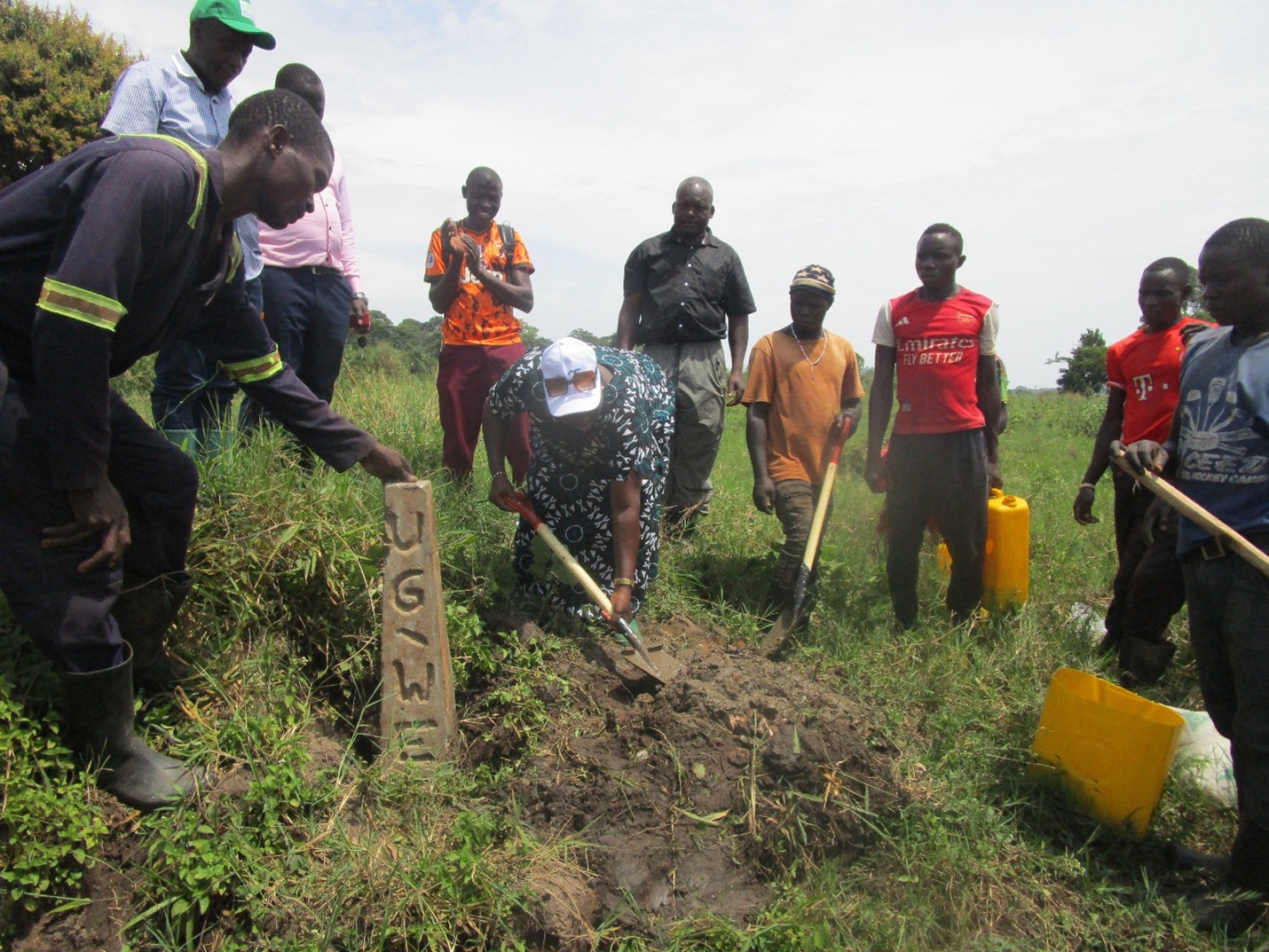
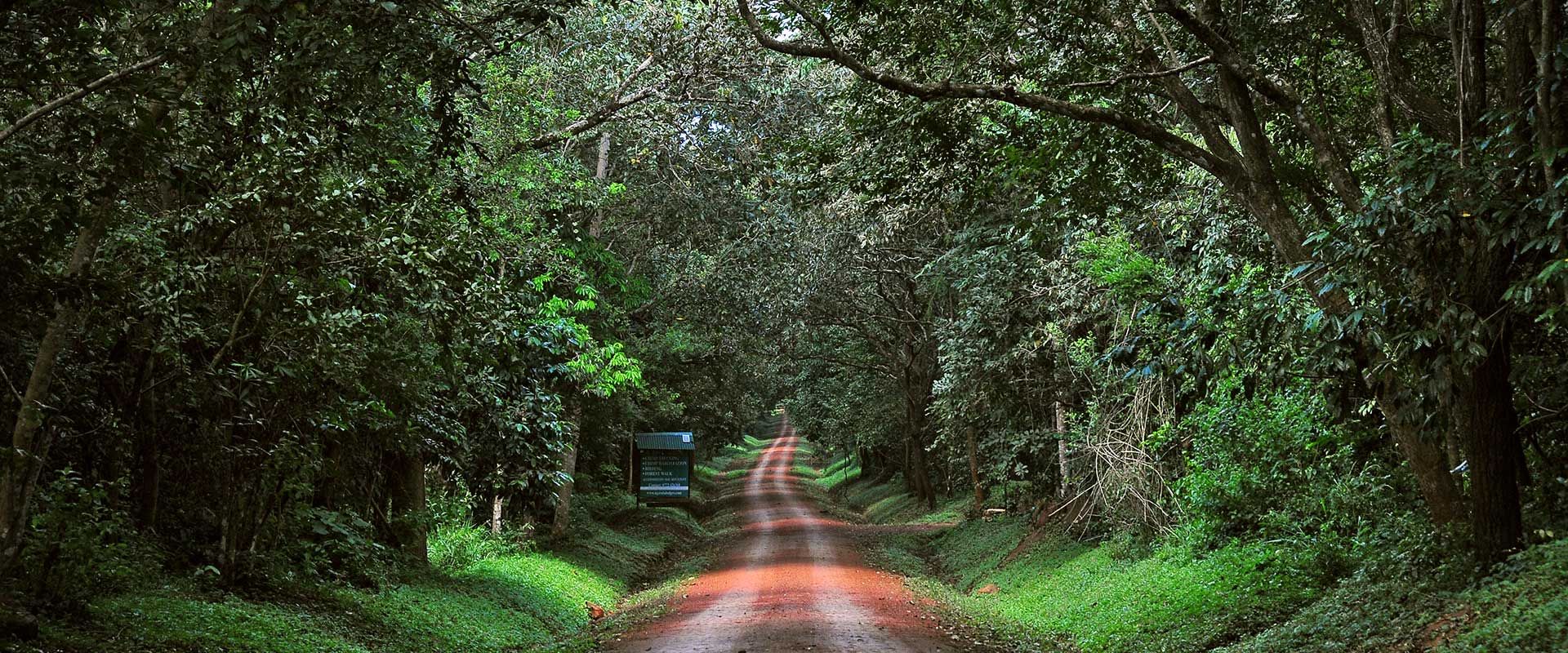
Kaabong Forest Management Plan Reviewed Ahead of 2026 Expiry
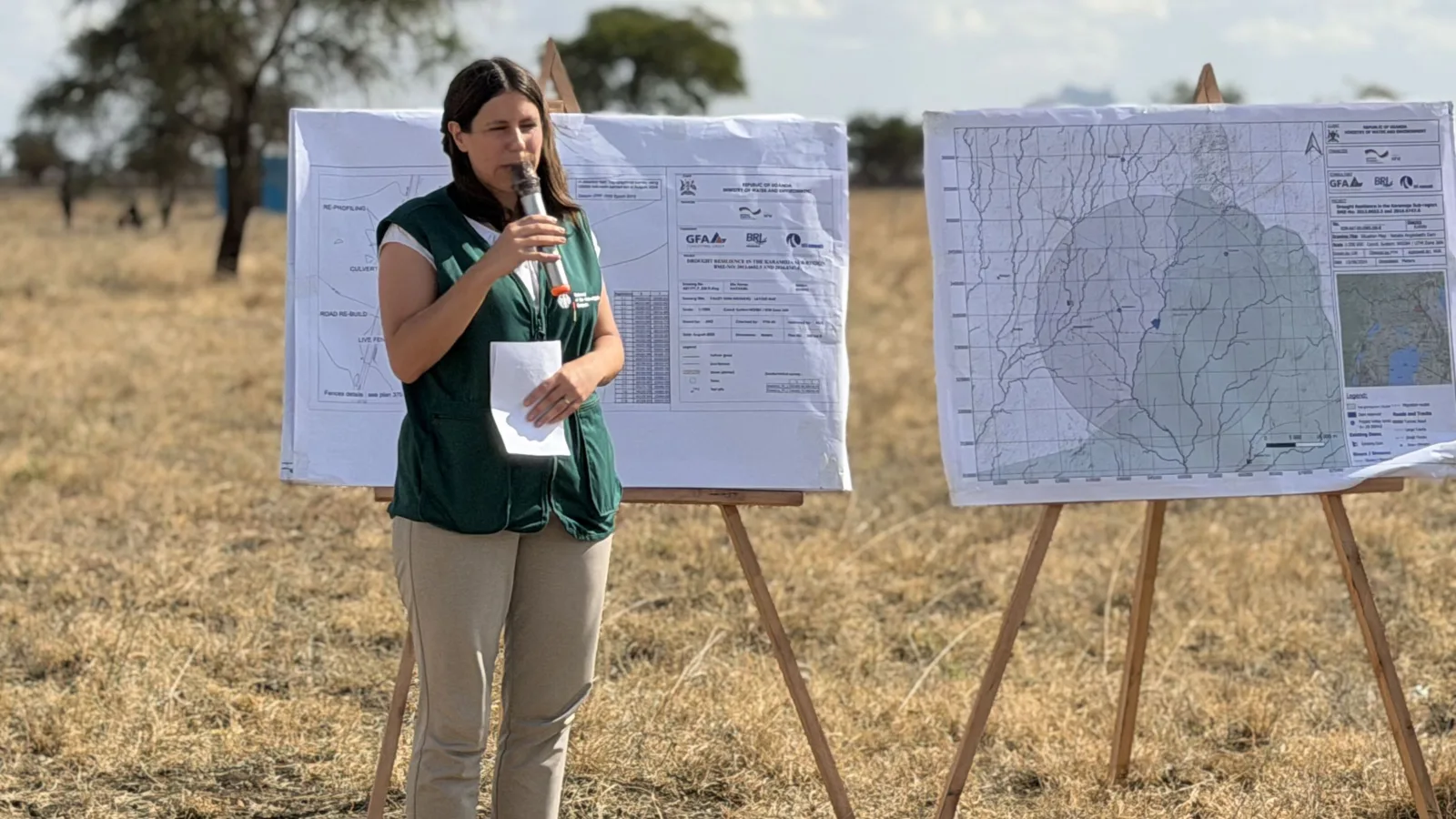
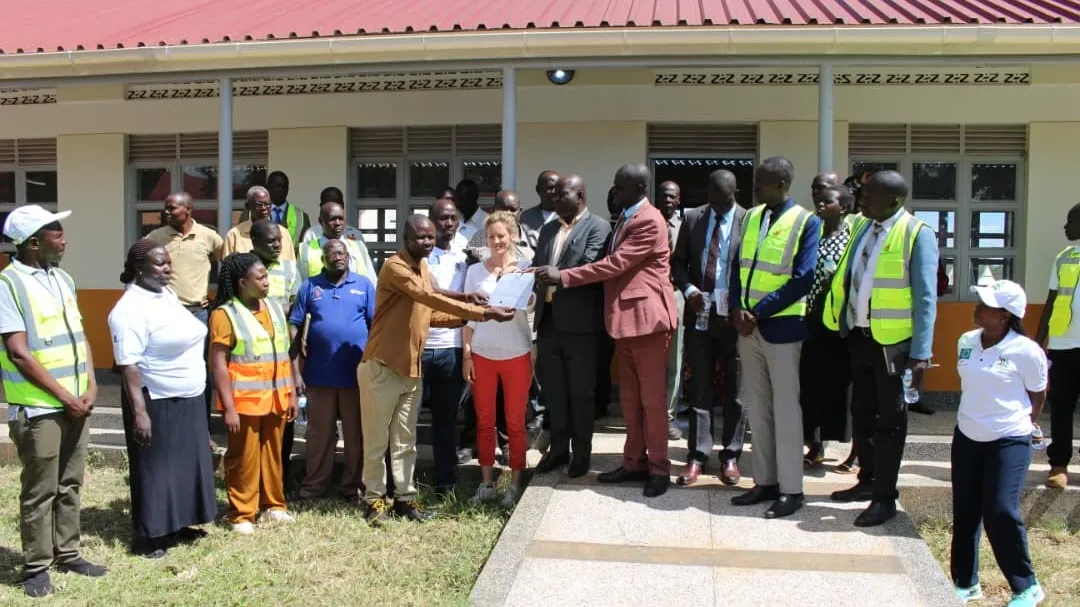
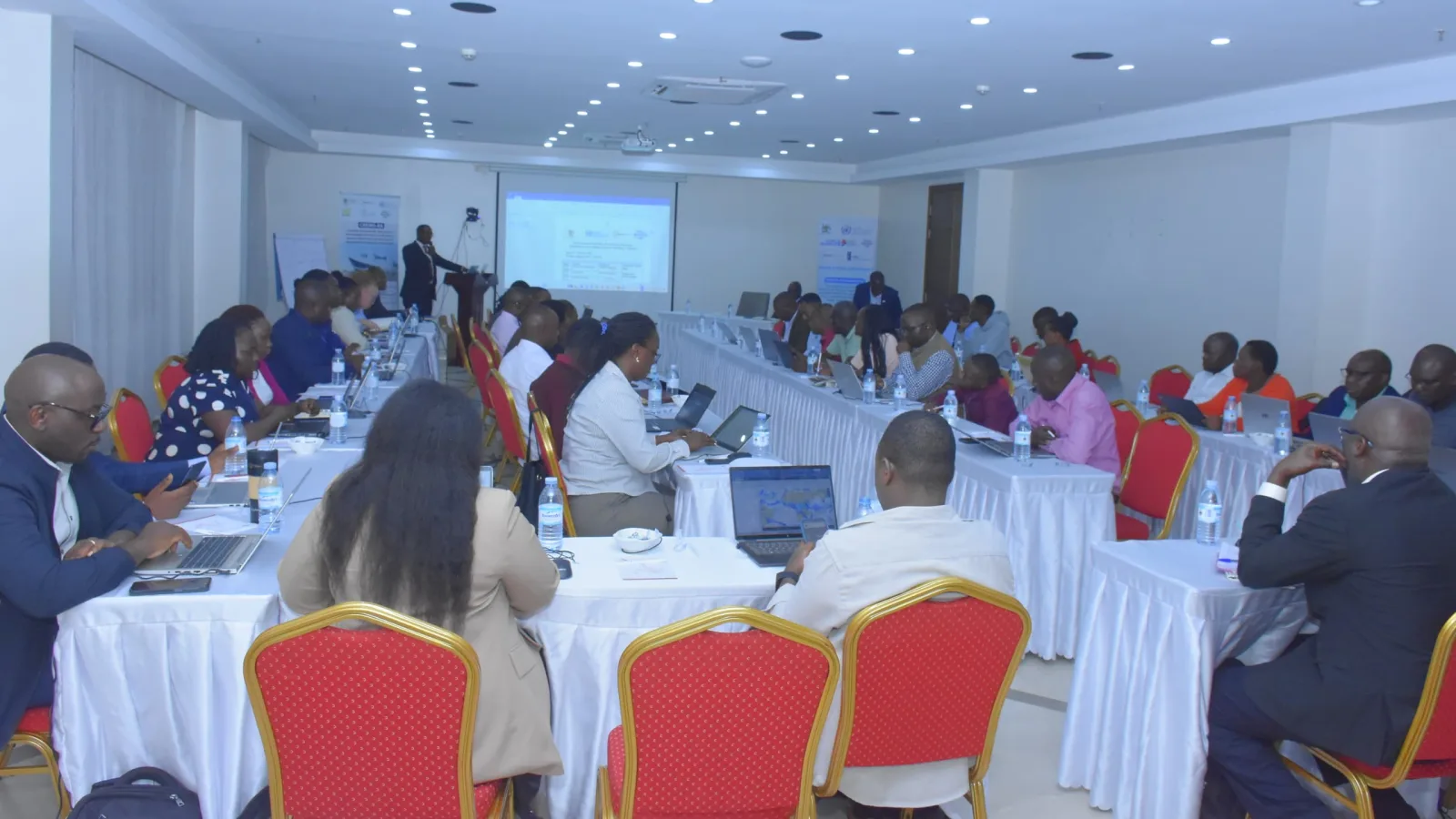
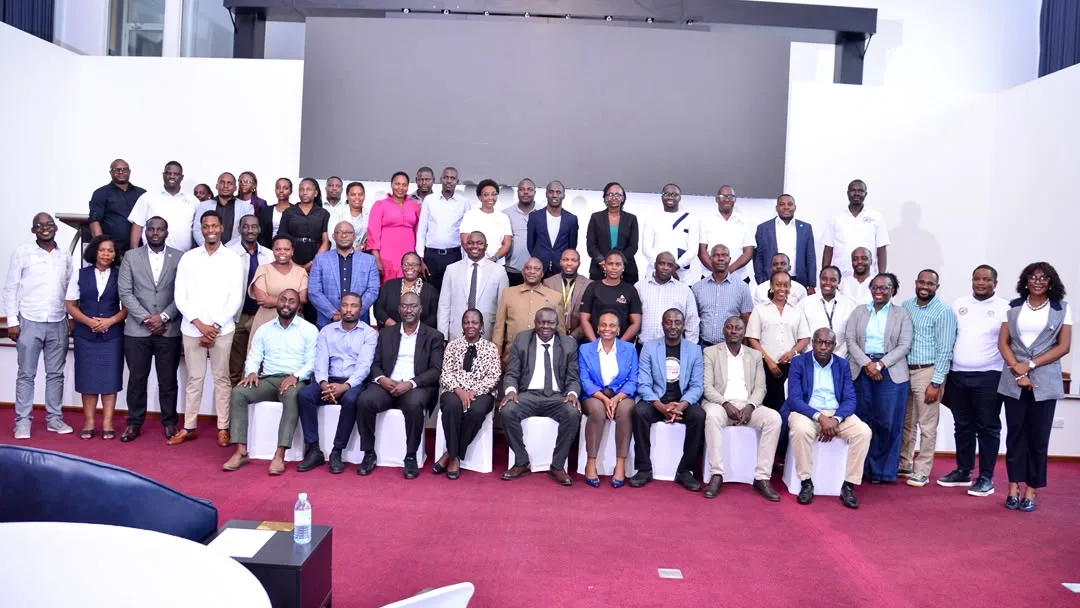
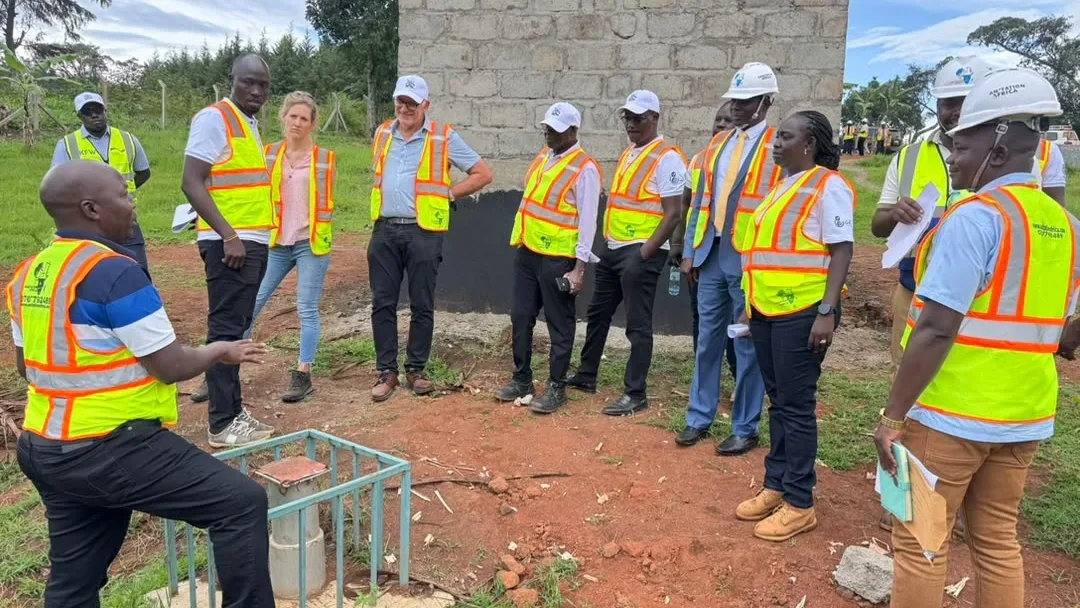
Kaabong/Karenga - The Ministry of Water and Environment through the Department of Forestry Management has commenced the review of the Forest Management Plan (FM...
We are committed to ensuring sustainable management of Uganda's water and environment resources for the benefit of present and future generations. Our mission is to promote and ensure the rational and sustainable utilization of water and environment resources for socio-economic development.
Our Mission Statement:
To promote efficient and effective utilization of water and environment resources for a healthy, wealthy and climate resilient population
Vision Statement:
Transformed Ugandan Society with environment and natural resources sustainably managed.
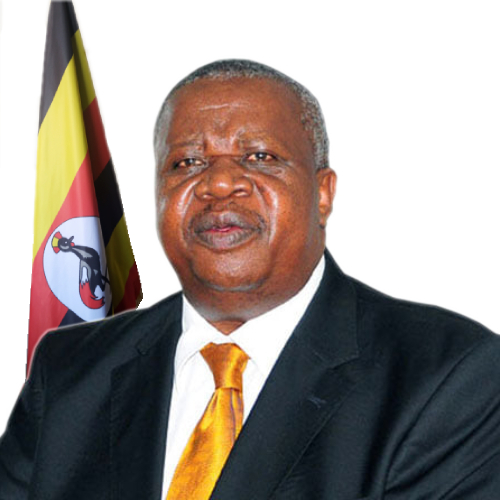
Minister of Water & Environment
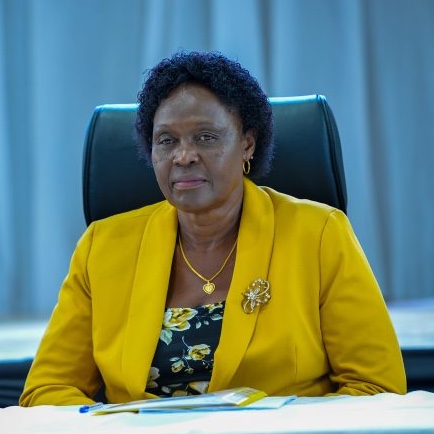
Minister of State for Environment
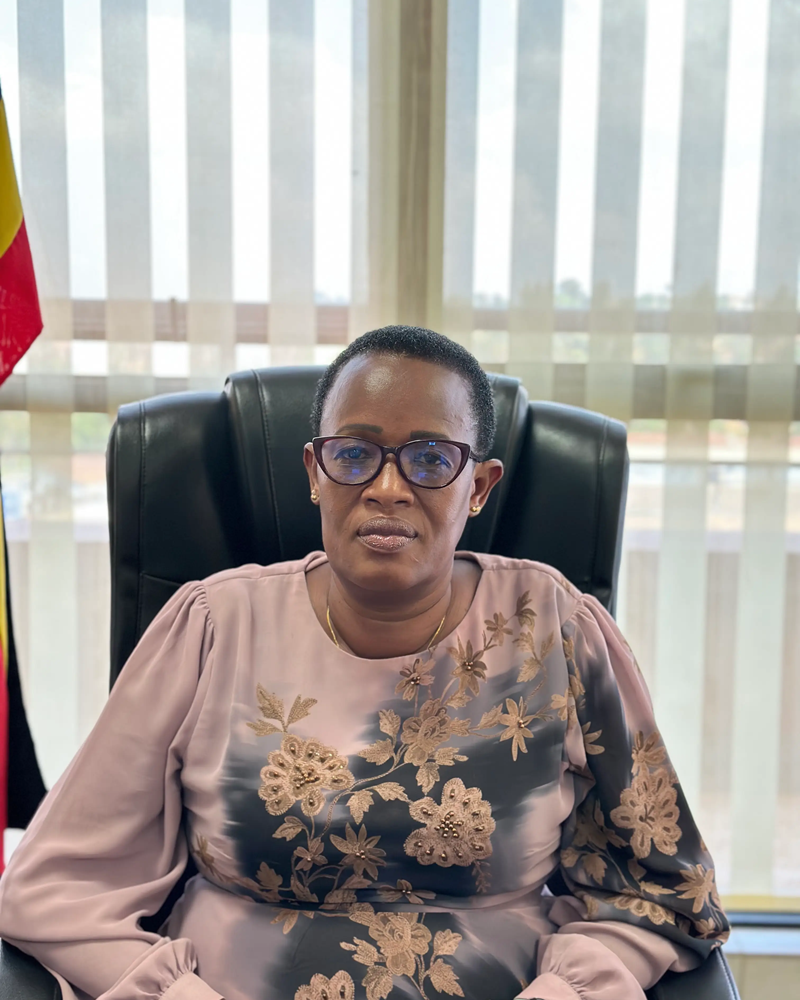
Minister of State for Water
Minister of Water & Environment
Minister of State for Environment
Minister of State for Water
Kaabong/Karenga - The Ministry of Water and Environment through the Department of Forestry Management has commenced the review of the Forest Management Plan (FM...
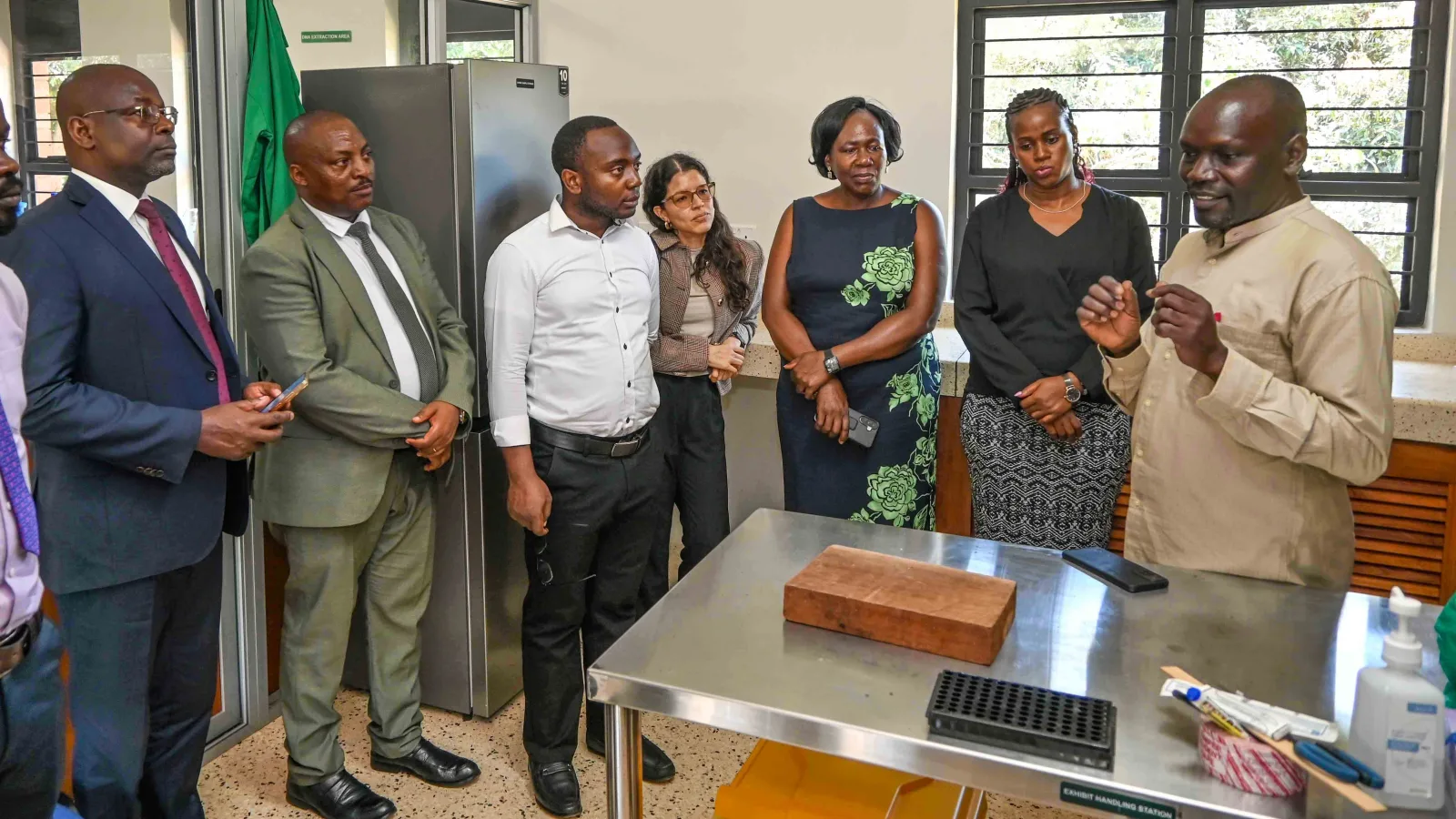
ENTEBBE, Uganda - piece of timber may look like ordinary wood, but inside its cells lies evidence th...
The Ministry of Water and Environment (MWE), through the Regional Centre – South West, in partnershi...
The Ministry of Water and Environment (MWE), through the Multi-purpose and Bulk Water Development (M...
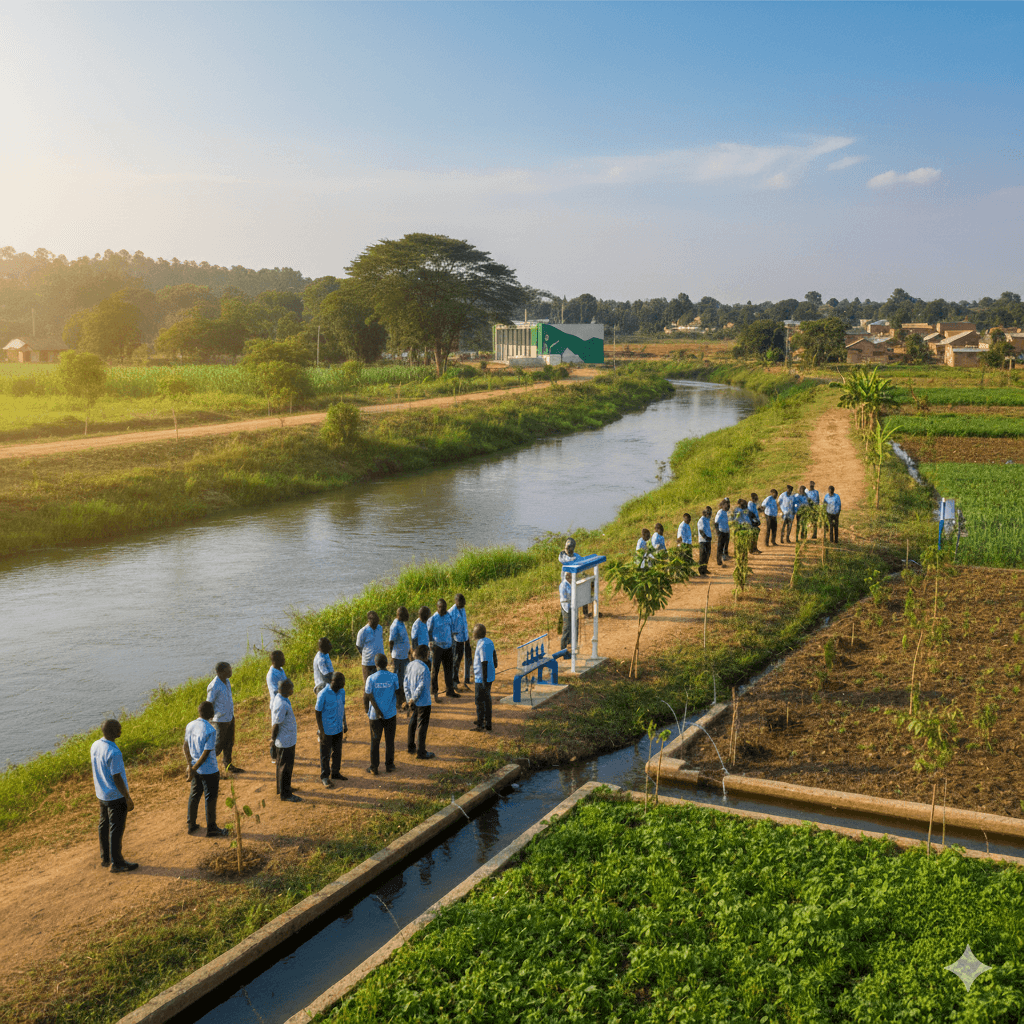
INTEGRATED FLOOD AND DROUGHT MANAGEMENT PROGRAM (IFDMP) The Integrated Flood and Drought Management Program (IFDMP) is a Government of Uganda initiative being implemented by the Ministry of Water and Environment (MWE), through the Department of Water Resources Management (DWRM), in collaboration with other relevant Ministries, Agencies, Local Governments and Development Partners. Uganda is increasingly experiencing the adverse impacts of climate variability and change, including recurrent riverine and urban flooding, prolonged droughts and water scarcity, as well as rainfall-induced landslides. These hazards continue to affect lives and livelihoods, agriculture, water supply, infrastructure, settlements and ecosystems. Floods, droughts and landslides are closely interconnected through catchment processes and therefore require an integrated approach combining improved risk information, engineering measures, nature-based solutions, early warning, preparedness and strengthened institutional capacity. The Program encompasses Uganda's major river basins, catchments, urban centres and rural areas affected by or vulnerable to floods, droughts, landslides and associated climate-related hazards. The program will advance a proactive, science-based and integrated approach to managing Uganda's growing hydro-climatic risks, shifting from emergency response towards prevention, preparedness, resilient infrastructure, ecosystem restoration and long-term water security. Project Goal The overall goal of IFDMP is to strengthen the resilience of communities, ecosystems, infrastructure and institutions to the increasing adverse impacts of floods, droughts and landslides through integrated water resources management, climate-resilient investments and strengthened hydrological information services. Key Areas of Intervention Hydrological forecasting and early warning: Development of a National Hydrological Modelling and Forecasting System and Centre to improve monitoring, forecasting, early warning and dissemination of actionable information. Flood and landslide risk management: Flood-risk assessments and mapping, river training, drainage improvement, flood-protection infrastructure, catchment restoration, nature-based solutions and community preparedness. Drought resilience and water security: Climate-resilient water storage, groundwater management, managed aquifer recharge, water-for-production interventions, drought forecasting and climate-smart water conservation. Catchment and ecosystem restoration: Rehabilitation of degraded riverbanks, wetlands, floodplains and catchments to improve natural flood attenuation, groundwater recharge and long-term water security. Institutional and community resilience: Strengthening the capacity of national and local institutions and communities for preparedness, anticipatory action, operation, maintenance and sustainable flood and drought risk management. Expected Results This program is expected to reduce the vulnerability of communities, infrastructure and ecosystems to floods, droughts and landslides while strengthening national hydrological monitoring, forecasting and early warning. This will reduce disaster-related economic losses, disruption of livelihoods, improve water security and promote climate change resilience.
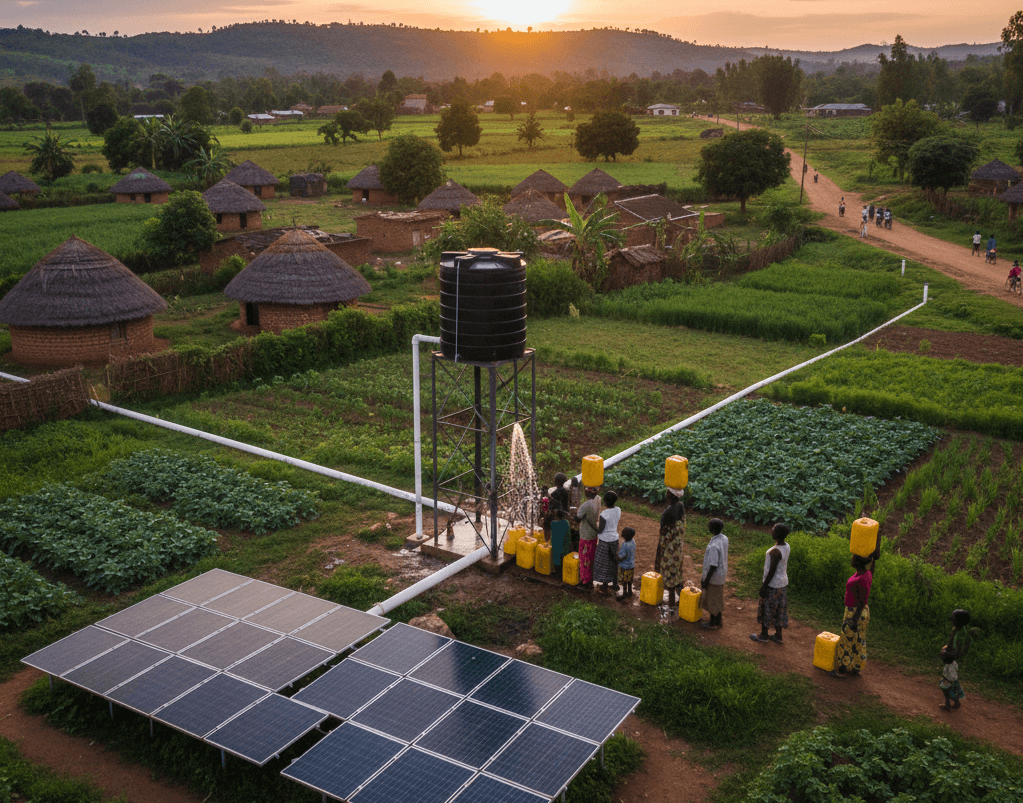
35 Solar Powered Mini-Piped Water Schemes. The 35 Solar Powered Mini-Piped Water Schemes (SPMPWS) project was a significant initiative undertaken by the Ministry of Water and Environment, aimed at enhancing access to safe and reliable water supply in numerous rural and semi-urban communities across Uganda. This project leveraged renewable solar energy to power water pumping and distribution systems, representing a sustainable and cost-effective approach to expanding water coverage and improving public health. The focus on solar technology underscored Uganda’s commitment to environmentally friendly solutions and climate change adaptation in the water sector. Key Objectives Achieved by the Project: The SPMPWS project successfully accomplished several crucial objectives: Increased Access to Safe Water: The primary objective of providing increased access to safe and clean piped water was met across the target communities. The installation of 35 mini-piped schemes significantly expanded the reach of reliable water sources to previously underserved populations. Activities included: Drilling of boreholes, installation of solar panels and submersible pumps, construction of elevated storage tanks, and laying of distribution networks with public water points and household connections. Promotion of Sustainable and Green Technology: The project championed the use of solar energy, demonstrating a commitment to sustainable water supply solutions. This reduced reliance on fossil fuels, lowered operational costs for communities, and minimized the carbon footprint of water provision. Activities included: Design and installation of solar power systems tailored to the specific water demand of each scheme. Improved Health and Hygiene: By ensuring the availability of safe piped water, the project directly contributed to improved public health outcomes in the beneficiary communities. This reduced the incidence of waterborne diseases and facilitated better hygiene practices. Activities included: Community sensitization on water safety, hygiene, and proper utilization of the new piped water systems. Enhanced Community Management and Ownership: The project fostered strong community involvement in the management and maintenance of the water schemes. This approach aimed to ensure the long-term functionality and sustainability of the infrastructure. Activities included: Training of Water User Committees (WUCs) in scheme operation, maintenance, and financial management. Economic Benefits for Communities: Reliable access to water freed up time, particularly for women and children who traditionally spent hours fetching water, allowing them to engage in more productive activities. This indirectly stimulated local economic development. Activities included: Creating local employment opportunities during the construction phase and empowering communities to manage their own water resources. Project Scope and Impact: The SPMPWS project involved the complete development and commissioning of 35 independent solar-powered mini-piped water schemes across various districts in Uganda. Each scheme typically comprised a high-yielding borehole as the water source, a robust solar power system to drive the pump, a submersible pump to abstract water from the borehole, an elevated water storage tank to ensure gravity-fed distribution, and a network of pipes distributing water to multiple public standpipes (water points) and, in some cases, private household connections. The implementation of these schemes resulted in a tangible improvement in the quality of life for thousands of Ugandans, providing them with consistent access to safe, clean water right within their communities. The project stands as a testament to the effectiveness of decentralized, solar-powered solutions in addressing water scarcity challenges, especially in rural and underserved areas.
The five-year project aims to restore degraded sections of ten wetland systems and maintain their integrity for improved water availability, flood abatement, biodiversity flows and climate amelioration measured in area of wetland restored and maintained in hectares by the DLGs, Regional Technical Support Units (RTSUs) and MoWE. The key interventions under the project include; demarcating 2500km of wetlands through planting of pillars and gazettement, restoring 31,000ha of wetland hydro-ecological and socio-economic services, developing 40 management plans for the restored wetlands, promoting 1160 wetland-based enterprises for improved community livelihoods, elevating the status of 5 selected wetlands by designating them as reserves and Ramsar Sites, strengthening 237 wetland technical and institutional capacity at National, District and Community levels and enhancing public and stakeholder awareness for 600,000hhs for effective participation. The project is being implemented in the following target areas: Lumbuye, Kibimba, Awoja, Ssezibwa, Mayanja, Tochi, Enyau, Aswa, Muzizi and Mpanga wetland systems.
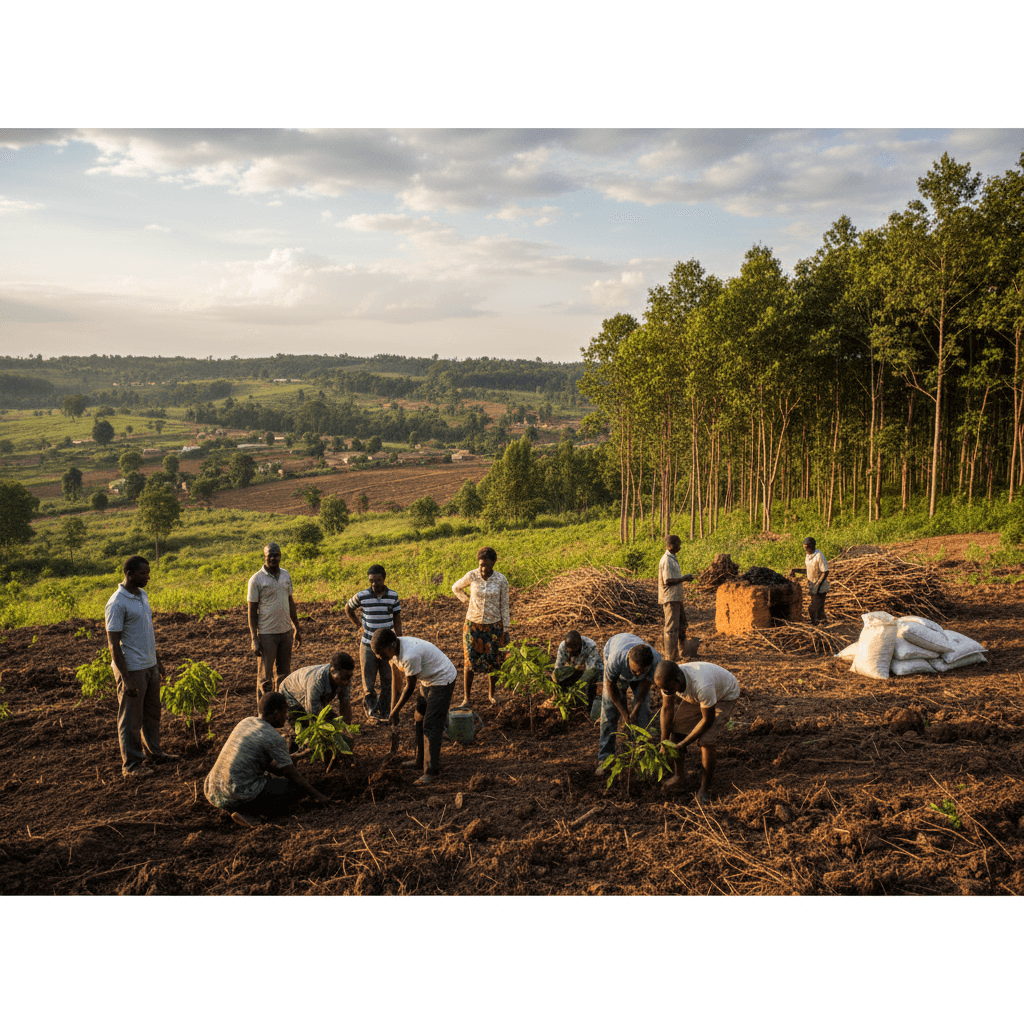
ICRP Project Overview The Irrigation for Climate Resilience Project (ICRP) aims to support the shift towards more resilient agriculture through the development of sustainable irrigation services. Access to irrigation is critical to allow farmers coping with climate variability, to increase yield and intensification, and diversify towards higher value crops. The project will address Uganda’s climate change vulnerabilities by: (i) promoting adoption of irrigation by smallholder farmers, in synergy with other agriculture inputs and technologies; (ii) increasing water storage capacity; and (iii) promoting sustainable catchment management. This change will be market-driven, with irrigation becoming the anchor for stronger producer organizations and development of value chains. The project is implemented by the Ministry of Water and Environment (MWE), with the Ministry of Agriculture, Animal Industry and Fisheries (MAAIF) as technical implementation partner. Project Development Objectives To provide farmers with access to irrigation and other agricultural services, and to establish management arrangements for irrigation service delivery.
INTEGRATED FLOOD AND DROUGHT MANAGEMENT PROGRAM (IFDMP) The Integrated Flood and Drought Management Program (IFDMP) is a Government of Uganda initiative being implemented by the Ministry of Water and Environment (MWE), through the Department of Water Resources Management (DWRM), in collaboration with other relevant Ministries, Agencies, Local Governments and Development Partners. Uganda is increasingly experiencing the adverse impacts of climate variability and change, including recurrent riverine and urban flooding, prolonged droughts and water scarcity, as well as rainfall-induced landslides. These hazards continue to affect lives and livelihoods, agriculture, water supply, infrastructure, settlements and ecosystems. Floods, droughts and landslides are closely interconnected through catchment processes and therefore require an integrated approach combining improved risk information, engineering measures, nature-based solutions, early warning, preparedness and strengthened institutional capacity. The Program encompasses Uganda's major river basins, catchments, urban centres and rural areas affected by or vulnerable to floods, droughts, landslides and associated climate-related hazards. The program will advance a proactive, science-based and integrated approach to managing Uganda's growing hydro-climatic risks, shifting from emergency response towards prevention, preparedness, resilient infrastructure, ecosystem restoration and long-term water security. Project Goal The overall goal of IFDMP is to strengthen the resilience of communities, ecosystems, infrastructure and institutions to the increasing adverse impacts of floods, droughts and landslides through integrated water resources management, climate-resilient investments and strengthened hydrological information services. Key Areas of Intervention Hydrological forecasting and early warning: Development of a National Hydrological Modelling and Forecasting System and Centre to improve monitoring, forecasting, early warning and dissemination of actionable information. Flood and landslide risk management: Flood-risk assessments and mapping, river training, drainage improvement, flood-protection infrastructure, catchment restoration, nature-based solutions and community preparedness. Drought resilience and water security: Climate-resilient water storage, groundwater management, managed aquifer recharge, water-for-production interventions, drought forecasting and climate-smart water conservation. Catchment and ecosystem restoration: Rehabilitation of degraded riverbanks, wetlands, floodplains and catchments to improve natural flood attenuation, groundwater recharge and long-term water security. Institutional and community resilience: Strengthening the capacity of national and local institutions and communities for preparedness, anticipatory action, operation, maintenance and sustainable flood and drought risk management. Expected Results This program is expected to reduce the vulnerability of communities, infrastructure and ecosystems to floods, droughts and landslides while strengthening national hydrological monitoring, forecasting and early warning. This will reduce disaster-related economic losses, disruption of livelihoods, improve water security and promote climate change resilience.
35 Solar Powered Mini-Piped Water Schemes. The 35 Solar Powered Mini-Piped Water...
The five-year project aims to restore degraded sections of ten wetland systems a...
ICRP Project Overview The Irrigation for Climate Resilience Project (ICRP) aims...
The Ministry of Water and Environment is committed to avoiding, minimizing, and mitigating adverse environmental and social impacts associated with its projects, as well as adopting a gender-sensitive and gender-equitable approach for all its projects.
View Standards