Water and Environment Congratulatory Message
The Ministers of Water and Environment, the Permanent Secretary and Staf...
We are committed to ensuring sustainable management of Uganda's water and environment resources for the benefit of present and future generations. Our mission is to promote and ensure the rational and sustainable utilization of water and environment resources for socio-economic development.
Our Mission Statement:
To promote efficient and effective utilization of water and environment resources for a healthy, wealthy and climate resilient population
Vision Statement:
Transformed Ugandan Society with environment and natural resources sustainably managed.
Minister of Water & Environment
Minister of State for Environment
Minister of State for Water
Minister of Water & Environment
Minister of State for Environment
Minister of State for Water
The Ministers of Water and Environment, the Permanent Secretary and Staf...
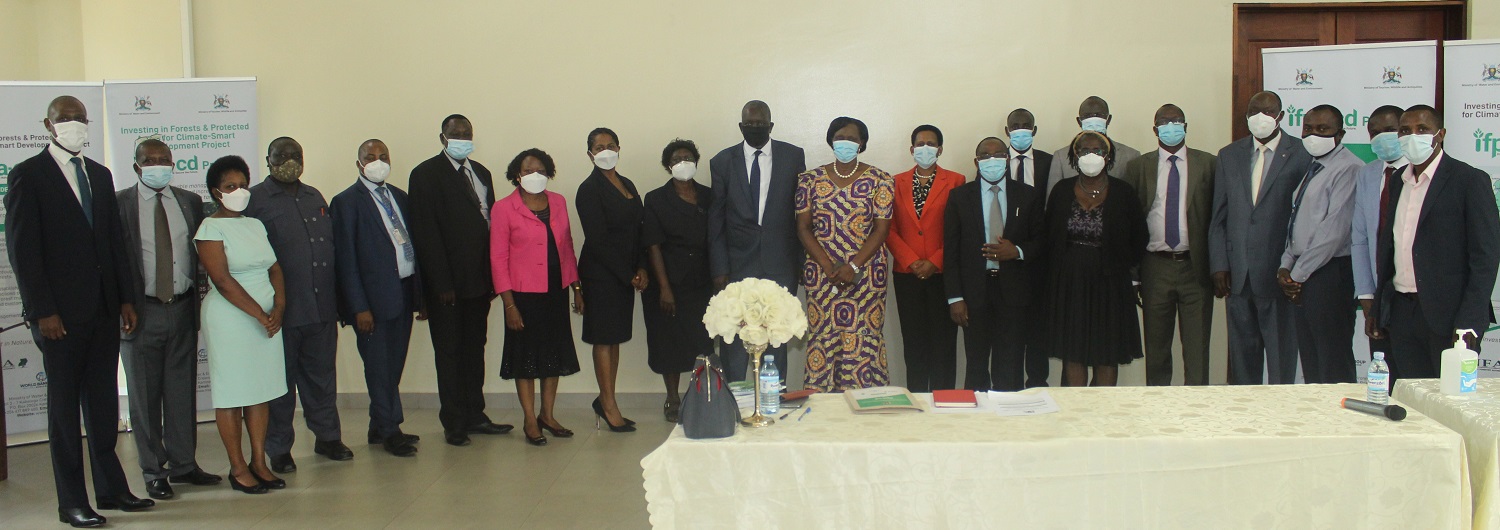
NAIROBI-Uganda has taken a front-row seat in shaping the future of environmental conservation and c...
The Permanent Secretary in the Ministry of Water and Environment; Dr. Alfred Okot Okidi represented...
FOREST LANDSCAPE RESTORATION (FLR) IMPLEMENTATION HUB PROJECT LAUNCHEDThe Permanent Secretary launch...
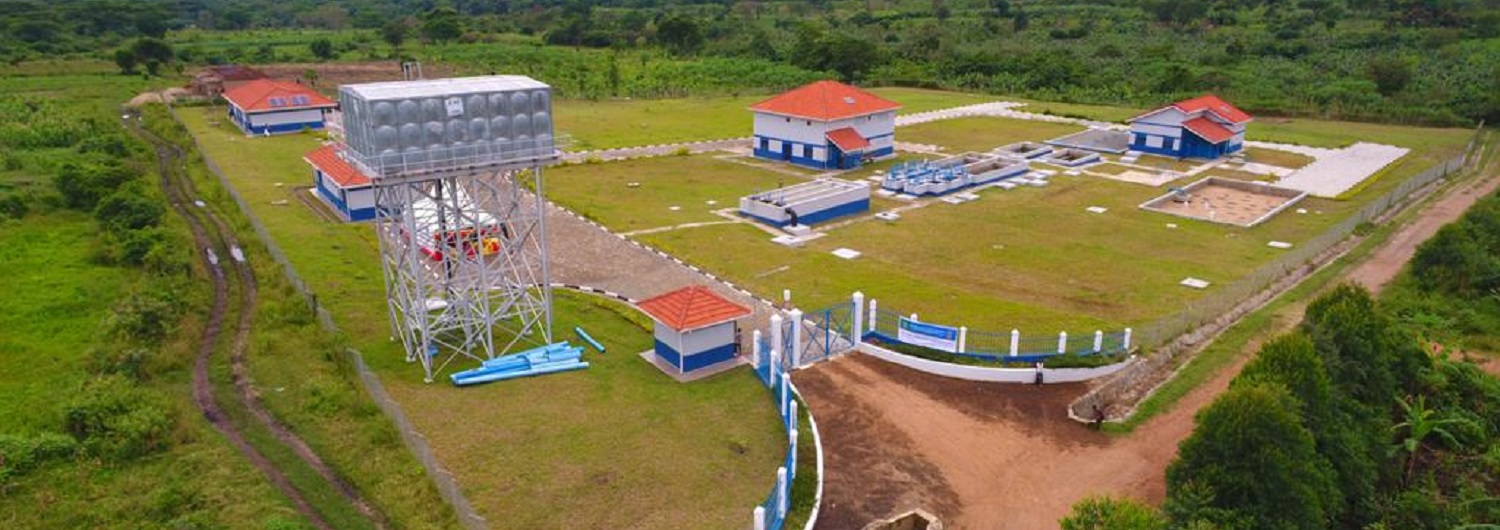
The EU-TF (SPRS-NU) Support Programme to the Refugee Settlements and Host Communities in Northern Uganda is a multifaceted initiative established under the European Union Emergency Trust Fund for Africa. Its primary objective is to address the humanitarian and developmental needs of South Sudanese refugees and their host communities in Northern Uganda, particularly in response to the significant influx of refugees since July 2016. The project aims to move beyond emergency aid towards more sustainable solutions, fostering stability and reducing the risk of conflict between refugee and host populations.Overall Objective and Specific AimsThe overarching objective of SPRS-NU is to reduce the risk of violent conflict between host communities and refugees in the refugee-hosting districts of Northern Uganda. More specifically, the project aims to:Improve food security, nutrition, and livelihoods of both refugee populations and host communities in a sustainable manner, by enhancing local production and fostering economic exchanges.Improve inter-community dialogue at the local level and establish conflict prevention mechanisms to mitigate clashes between or within communities.Improve the level of education and increase medium to long-term economic opportunities for refugees and host communities, especially youth and women, through skills development and entrepreneurship support, contributing to better integration.Ensure sustainable access to safe water and improve environmental sanitation conditions in targeted settlements and host communities.Project ComponentsThe SPRS-NU project is structured around several key components, often implemented by different partners to achieve its comprehensive objectives:Livelihood and Labor Market Relevant Skills Development: Focuses on providing quality skills training, entrepreneurial guidance, and start-up kits for refugees and host communities, with a particular emphasis on youth, women, and girls. This includes vocational training and accreditation of acquired skills.Water, Sanitation, and Hygiene (WASH) Component: Concentrates on constructing and rehabilitating essential water supply systems (e.g., piped water systems), improving environmental sanitation through the construction of faecal sludge treatment plants, and establishing sustainable operation and maintenance structures for these facilities.Community Dialogue and Conflict Prevention: Aims to facilitate improved relations between refugees and host communities through dialogue mechanisms and the establishment of local conflict prevention initiatives.Basic Services and Education: Supports improved access to essential services like education, recognizing its role in long-term economic opportunities and integration.Key Activities and ProgressWithin the WASH component, the project has specifically targeted 12 settlements, including Alere, Nyumanzi, Maaji II, Olujobo, Ranch I, Ayelo, Maaji III, Pagirinya, Bidibidi Zone V, Eden, Afua, and Ariaze.The project has undertaken a range of activities to achieve its aims:Skills Development: Provision of technical vocational education and training (TVET) and entrepreneurship support, with thousands of beneficiaries receiving quality skills development and start-up kits.WASH Infrastructure: Construction of piped water supply systems and faecal sludge treatment plants, alongside geological and hydrological surveys and drilling of production wells in various settlements (e.g., Alere, Nyumanzi, Maaji II, Ranch I).Feasibility Studies and Designs: Ongoing detailed engineering designs for water and sanitation infrastructure in several settlements.Inter-Community Dialogue: Facilitating platforms for dialogue and conflict prevention.Mid-term Reviews: Periodic reviews (e.g., November 2023) assess project performance, coherence, efficiency, effectiveness, impact, and sustainability, providing insights for continuous improvement and learning.Impact and LegacyThe EU-TF (SPRS-NU) project has played a crucial role in addressing the complex challenges arising from large refugee populations in Northern Uganda. By focusing on both immediate needs and long-term development, it contributes significantly to:Enhanced Livelihoods: Equipping refugees and host communities with practical skills and entrepreneurial knowledge, thereby increasing their economic opportunities and reducing reliance on subsistence agriculture.Improved Social Cohesion: Mitigating potential conflicts by fostering better understanding and shared benefits between refugee and host communities.Access to Essential Services: Providing sustainable access to safe water and improved sanitation, which are fundamental for public health and environmental well-being.Sustainable Development: Laying a foundation for more resilient and self-reliant communities, aligning with Uganda’s Comprehensive Refugee Response Framework (CRRF) and broader development goals.While some components of the project have concluded their initial phases, the overall program’s integrated approach and its focus on sustainable solutions continue to inform and shape future interventions in refugee-hosting areas of Uganda.
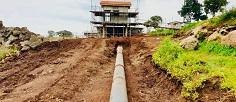
The Emergency Preparedness and Response Plan (EPRP) has been developed to guide all stakeholders – including contractors, consultants, local government officials, and project beneficiaries—on how to prepare for, respond to, and recover from emergencies that may arise during the construction and operational phases of the Multi-Purpose Water for Climate Resilience and Irrigation Development for Livelihood Transformation (MWACRID) Project. The project is being implemented in the sub-counties of Masindi-Port and Kigumba in Kiryandongo District, as well as Mirya and Kimengo in Masindi District, Uganda. This plan reinforces the project’s commitment to safety, sustainability, and compliance with the African Development Bank’s (AfDB) environmental and social safeguard policies. This plan ensures consistent procedures are in place across all project components to minimize risk to human health, the environment, infrastructure, and financial investment. The project will consist of two major components: a potable water supply infrastructure and an irrigation water supply system. Key features include diversion canals, intake and pump stations, treatment plants, transmission and distribution pipelines, and various support facilities such as process buildings, control rooms, electrical and maintenance buildings, administrative offices, and reservoir tanks. Each component is designed to enhance water access for both domestic use and irrigation purposes. A detailed description of these components is provided in appendix 1.1.1. Purpose of the PlanThe purpose of this plan is to provide measures and guidance for the establishment and implementation of emergency preparedness and response plan for the Multi-Purpose Water for Climate Resilience and Irrigation Development for Livelihood Transformation (MWACRID) Project. The purpose of the EPRP is to:Provide a plan, which facilitates public safety by notifying all appropriate authorities and stakeholders;Provide information to all stakeholders to allow for an informed evaluation to be made during emergency events;Provide a plan of action for foreseeable flood emergencies affecting safety of the MWACRID Project and local communities;Ensure all personnel and visitors are given the maximum protection from unforeseen events;Ensure all personnel are aware of the importance of this plan to support the protection of life and property.The plan is intended to assist the Contractor, Employer, the local community and any other stakeholders in responding swiftly and effectively in the event of an emergency at the MWACRID Project.This plan is primarily biased to emergency preparedness and response to MWACRID –Project water reservoirs and bulk water transmission lines and associated risks directly linked to the proposed bulk water supply infrastructure.It is important to note that other common emergencies or risks associated with the MWACRID-P associate project’s such as marram borrow areas, water abstraction point, rock blasting for rocky areas and a host of other policies, procedures and plans that the Contractor has developed with respect to MWACRID -P.Therefore; this Emergency Preparedness and Response Plan in a bid avoid duplication of other plans and procedures already prepared by the contractor will prioritize and discuss bulk water transmission lines and water reservoir(s) for MWACRID P, an aspect which is not exhaustively addressed in the other MWACRID P plans, procedures and policies.
August 8, 2024 – Kabarole District: The Ministry of Water and Environment has officially launched an ambitious watershed management and nature-based conservation project aimed at safeguarding the Mpanga catchment area, which spans approximately 5,200 km² across the districts of Kabarole, Kyenjojo, Kitagwenda, Kamwenge, Kazo, Ibanda, Mbarara, and Kiruhura. This project is set to play a pivotal role in addressing pressing environmental challenges, including wetland encroachment, river bank degradation, and pollution, as identified in the Mpanga Catchment Management Plan (CMP) completed in 2015.The CMP has been actively implemented by both government and non-government actors under the leadership of the Directorate of Water Resources Management through the Albert Water Management Zone (AWMZ) since 2015. With a fresh injection of funding from the Conrad N. Hilton Foundation, the Ministry is poised to intensify efforts in watershed management and nature-based water conservation activities within the Mpanga catchment.The project launch, held in Fort Portal Tourism City, Kabarole District, was graced by the Director Water Resources Management, Dr Callist who represented the Minister of Water and Environment and who delivered an inspiring speech. “It is my honor and privilege to be with you today at the launch of this transformative initiative, made possible through the generous support of the Conrad N. Hilton Foundation,” the Minister began. “This project marks a significant milestone for sustainable water management and environmental stewardship in the Mpanga Catchment.”Project Goals and ObjectivesThe primary goal of this project is to bolster the implementation of the Mpanga Catchment Management Plan by enhancing the capacity of the AWMZ and Catchment Management Organizations (CMOs). Specific objectives include:Building the capacity of catchment management organizations to improve institutional processes, planning, and management through targeted training programs.Strengthening the AWMZ staff’s ability to coordinate activities through enhanced skills in work planning, monitoring, and conducting technical tests to ensure effective implementation.Supporting the restoration and implementation of priority conservation measures within the catchment.Positioning the AWMZ as a model for catchment-based water resources management by promoting institutional cooperation and disseminating success stories from the Mpanga catchment.Project Timeline and FundingThe project is slated to run for three years, from June 2024 to June 2027, with a total budget of 1.395 million USD, generously provided by the Conrad N. Hilton Foundation. The Ministry of Water and Environment will lead the project, collaborating closely with key partners such as Water for People and Join for Water, along with additional consultancy firms to be procured by the Ministry.Anticipated BenefitsThe project is expected to yield significant environmental and institutional benefits, including:Restoration of degraded landscapes through afforestation on both private and public lands.Restoration and demarcation of wetland systems and their buffer zones.Establishment of soil and water conservation structures.Installation of a mini weather station within the Mpanga catchment.Construction of a hydro-monitoring station at the Mpanga catchment outlet.Capacity building for the Mpanga Catchment Management Organization (CMO) to enhance its operational effectiveness.The Minister highlighted the project’s focus on scaling up these efforts: “Today, we embark on a journey to scale up the implementation of remedial catchment management measures in the Mpanga Catchment to safeguard our precious water and environmental resources for generations. This project will focus on data collection, wetland restoration, re-afforestation, and capacity development of the Catchment Management Organization.”As the project officially gets underway, it marks a significant step forward in the sustainable management of the Mpanga catchment, ensuring the protection and conservation of vital water resources for the communities and ecosystems that depend on them.The Minister concluded by expressing gratitude to the partners involved: “I appreciate the Water For People team working tirelessly with the Ministry staff in drafting the project proposal. I also acknowledge Join For Water for their support in the preparatory meetings.”The launch event was attended by key stakeholders, including district chairpersons, resident district commissioners, chief administrative officers, representatives from civil society organizations, the private sector, religious institutions, and the media.This ambitious project underscores the Ministry of Water and Environment’s commitment to sustainable environmental management and its role in contributing to global climate change mitigation efforts.
Limnology of L. VictoriaThe Integrated Water Quality/Limnology Study for Lake Victoria is a consultancy contract between the Lake Victoria Environment Management Project (LVEMP) and COWI Consulting Engineers and Planners AS, in association with DHI Water and Environment. The contract was signed on 23 June 2000 in Nairobi, and is financed by credits from the International Development Association (IDA) and grants from the Global Environment Facility (GEF) to the three countries, Tanzania, Kenya and Uganda.Synthesis Report of LVEMPLake Victoria is an international waterbody that offers the riparian communities a large number of extremely important environmental services. Over the past four decades or so, the lake has come under increasing and considerable pressure from a variety of interlinked human activities such as overfishing, species introductions, industrial pollution, eutrophication, and sedimentation. The lake provides various resources to its riparian
The EU-TF (SPRS-NU) Support Programme to the Refugee Settlements and Host Communities in Northern Uganda is a multifaceted initiative established under the European Union Emergency Trust Fund for Africa. Its primary objective is to address the humanitarian and developmental needs of South Sudanese refugees and their host communities in Northern Uganda, particularly in response to the significant influx of refugees since July 2016. The project aims to move beyond emergency aid towards more sustainable solutions, fostering stability and reducing the risk of conflict between refugee and host populations.Overall Objective and Specific AimsThe overarching objective of SPRS-NU is to reduce the risk of violent conflict between host communities and refugees in the refugee-hosting districts of Northern Uganda. More specifically, the project aims to:Improve food security, nutrition, and livelihoods of both refugee populations and host communities in a sustainable manner, by enhancing local production and fostering economic exchanges.Improve inter-community dialogue at the local level and establish conflict prevention mechanisms to mitigate clashes between or within communities.Improve the level of education and increase medium to long-term economic opportunities for refugees and host communities, especially youth and women, through skills development and entrepreneurship support, contributing to better integration.Ensure sustainable access to safe water and improve environmental sanitation conditions in targeted settlements and host communities.Project ComponentsThe SPRS-NU project is structured around several key components, often implemented by different partners to achieve its comprehensive objectives:Livelihood and Labor Market Relevant Skills Development: Focuses on providing quality skills training, entrepreneurial guidance, and start-up kits for refugees and host communities, with a particular emphasis on youth, women, and girls. This includes vocational training and accreditation of acquired skills.Water, Sanitation, and Hygiene (WASH) Component: Concentrates on constructing and rehabilitating essential water supply systems (e.g., piped water systems), improving environmental sanitation through the construction of faecal sludge treatment plants, and establishing sustainable operation and maintenance structures for these facilities.Community Dialogue and Conflict Prevention: Aims to facilitate improved relations between refugees and host communities through dialogue mechanisms and the establishment of local conflict prevention initiatives.Basic Services and Education: Supports improved access to essential services like education, recognizing its role in long-term economic opportunities and integration.Key Activities and ProgressWithin the WASH component, the project has specifically targeted 12 settlements, including Alere, Nyumanzi, Maaji II, Olujobo, Ranch I, Ayelo, Maaji III, Pagirinya, Bidibidi Zone V, Eden, Afua, and Ariaze.The project has undertaken a range of activities to achieve its aims:Skills Development: Provision of technical vocational education and training (TVET) and entrepreneurship support, with thousands of beneficiaries receiving quality skills development and start-up kits.WASH Infrastructure: Construction of piped water supply systems and faecal sludge treatment plants, alongside geological and hydrological surveys and drilling of production wells in various settlements (e.g., Alere, Nyumanzi, Maaji II, Ranch I).Feasibility Studies and Designs: Ongoing detailed engineering designs for water and sanitation infrastructure in several settlements.Inter-Community Dialogue: Facilitating platforms for dialogue and conflict prevention.Mid-term Reviews: Periodic reviews (e.g., November 2023) assess project performance, coherence, efficiency, effectiveness, impact, and sustainability, providing insights for continuous improvement and learning.Impact and LegacyThe EU-TF (SPRS-NU) project has played a crucial role in addressing the complex challenges arising from large refugee populations in Northern Uganda. By focusing on both immediate needs and long-term development, it contributes significantly to:Enhanced Livelihoods: Equipping refugees and host communities with practical skills and entrepreneurial knowledge, thereby increasing their economic opportunities and reducing reliance on subsistence agriculture.Improved Social Cohesion: Mitigating potential conflicts by fostering better understanding and shared benefits between refugee and host communities.Access to Essential Services: Providing sustainable access to safe water and improved sanitation, which are fundamental for public health and environmental well-being.Sustainable Development: Laying a foundation for more resilient and self-reliant communities, aligning with Uganda’s Comprehensive Refugee Response Framework (CRRF) and broader development goals.While some components of the project have concluded their initial phases, the overall program’s integrated approach and its focus on sustainable solutions continue to inform and shape future interventions in refugee-hosting areas of Uganda.
The Emergency Preparedness and Response Plan (EPRP) has been developed to guide...
August 8, 2024 – Kabarole District: The Ministry of Water and Environment has of...
Limnology of L. VictoriaThe Integrated Water Quality/Limnology Study for Lake Vi...
The Ministry of Water and Environment is committed to avoiding, minimizing, and mitigating adverse environmental and social impacts associated with its projects, as well as adopting a gender-sensitive and gender-equitable approach for all its projects.
View Standards