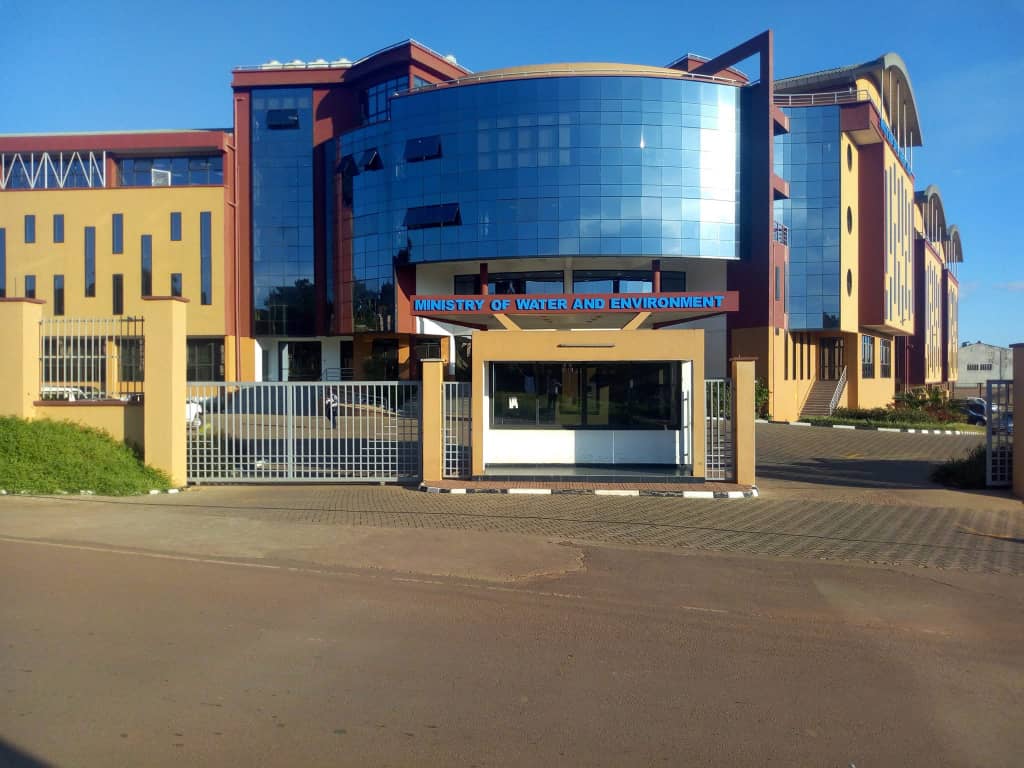
We are committed to ensuring sustainable management of Uganda's water and environment resources for the benefit of present and future generations. Our mission is to promote and ensure the rational and sustainable utilization of water and environment resources for socio-economic development.
Our Mission Statement:
To promote efficient and effective utilization of water and environment resources for a healthy, wealthy and climate resilient population
Vision Statement:
Transformed Ugandan Society with environment and natural resources sustainably managed.
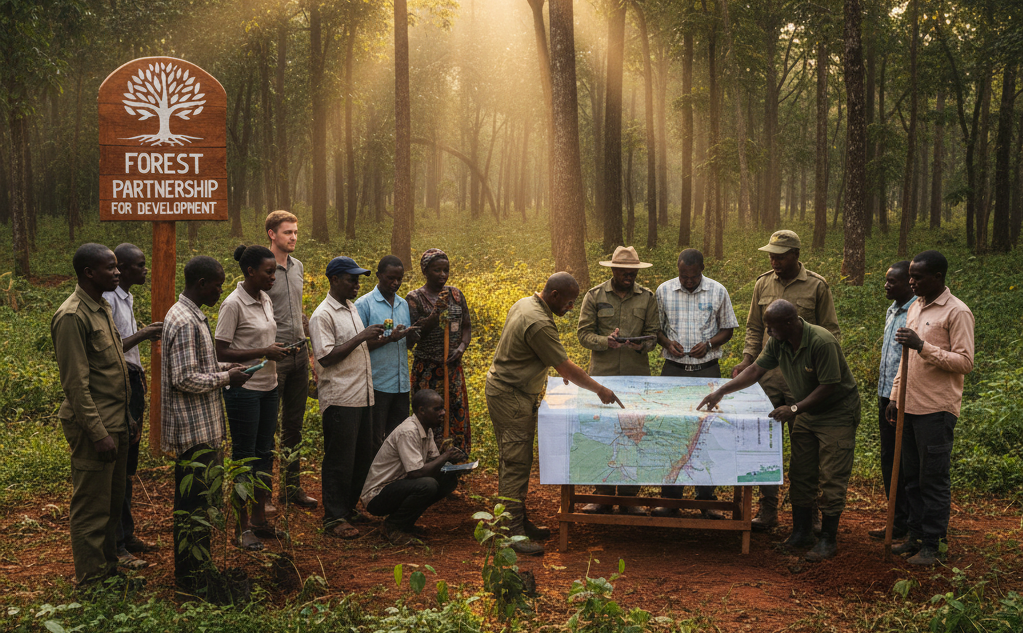
Ministry of Water and Environment, Jinja District Harmonize Plans to Reopen Namavundu Central Forest Reserve Boundaries The Ministry of Water and Environment (M...
Introduction The Government of Uganda through the Ministry of Water and Environment (MWE) with technical support from the United Nations Environment Programme (UNEP) is implementing a project titled “Reducing the climate change vulnerability of local communities in Uganda through Ecosystem Based Adaptation (EbA) in forest and wetland ecosystems”. The project is funded by the Global Environment Facility (GEF), Least Developed Country Fund (LDCF) totaling USD 4,350,000. The goal of this project is to reduce the vulnerability of communities living around wetlands and forests to climate change with the specific objective of increasing the technical and institutional capacity of government authorities and local communities in Uganda to implement EbA in wetland and forest ecosystems to reduce vulnerability of dependent communities to observed and anticipated effects of climate change. The project outcome areas: Outcome 1: Technical and institutional capacity at the local and national level to integrate EbA into existing management plans for wetlands and forests is strengthened Outcome 2: Climate change vulnerability of communities living around degraded wetlands and forests is decreased through the implementation of EbA interventions Outcome 3: Communities living at the project intervention sites have increased capacity to adopt alternative livelihoods and climate-resilient agriculture techniques to decrease their vulnerability to climate change and reduce degradation of wetlands and forests. Outcome 4: Increased knowledge and awareness of government officials and communities at project intervention sites of: i) the ecosystem services provided by wetlands and forests; and ii) the benefits of EbA for increasing the resilience of livelihoods to climate change Project intervention sites: This project is being implemented in four intervention areas-ecosystems R Enyau system (Arua; Arua City) R Sironko system (Sironko; Bulambuli) R Rwambu-Mpanga system (Ibanda; Kitagwenda and Kamwenge) R Rwizi-Nakivale system (Mbarara; Mbarara City)
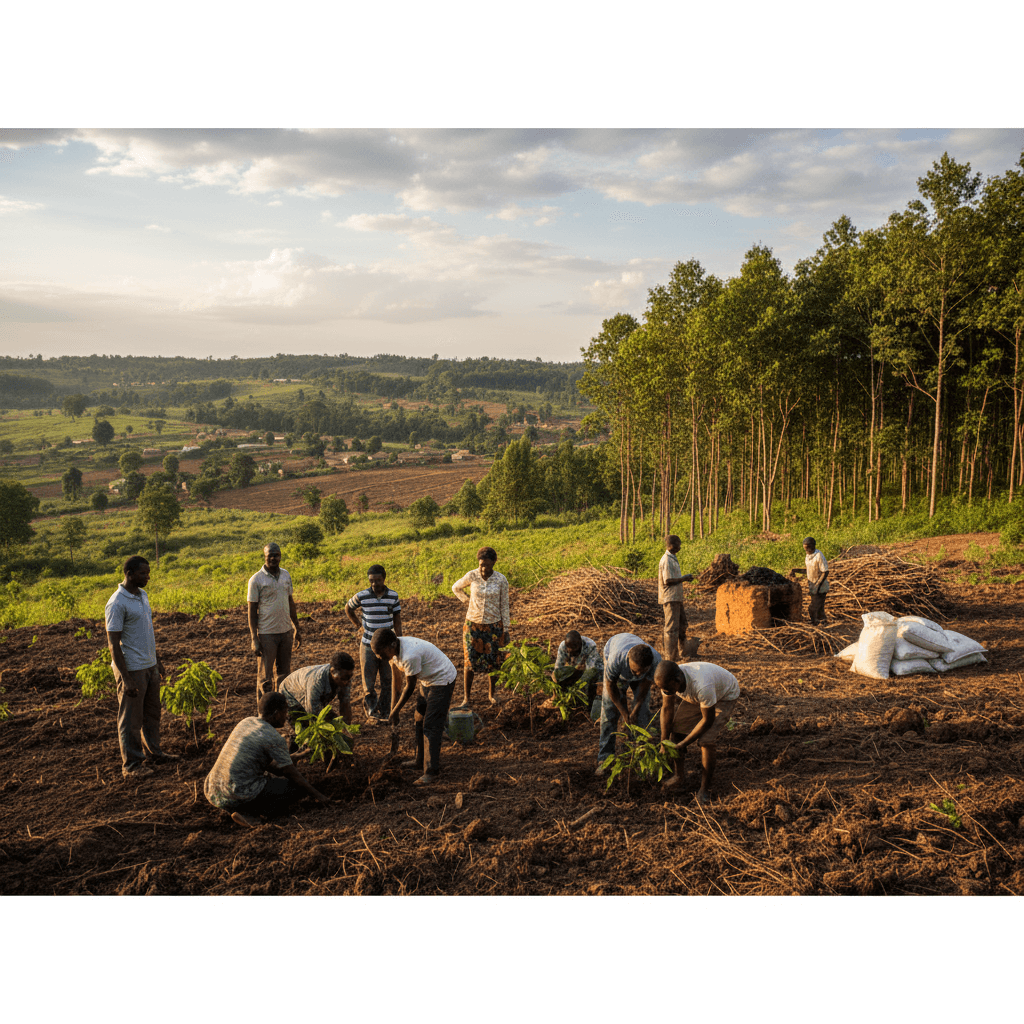
SPGS III The Sawlog Production Grant Scheme Phase III (SPGS III) is a critical ongoing initiative spearheaded by the Ministry of Water and Environment, aimed at significantly expanding and promoting commercial tree planting across Uganda. Building upon the successes of its preceding phases, SPGS III is designed to meet the growing demand for timber and wood products, enhance sustainable forest management, mitigate climate change impacts, and provide long-term economic benefits to private individuals, communities, and large-scale investors involved in commercial forestry. This phase emphasizes sustainable practices, improved forest health, and equitable benefits within the forestry sector. Key Objectives of the Project: SPGS III is structured around several strategic objectives designed to foster a robust and sustainable commercial forestry sector in Uganda: Increased Commercial Sawlog Production: To significantly expand the area under commercial tree plantations by providing grants and technical support to private forest growers. This aims to ensure a sustainable supply of sawlogs and other wood products for both domestic and industrial use. Expected Activities: Providing financial grants for land preparation, seedling procurement, planting, and silvicultural operations; promoting improved tree species and planting techniques. Promotion of Sustainable Forest Management Practices: To encourage the adoption of environmentally sound and socially responsible forestry practices among grant beneficiaries. This includes promoting biodiversity conservation within plantations and ensuring sustainable harvesting methods. Expected Activities: Training and technical assistance on sustainable harvesting, fire management, pest and disease control; promoting agroforestry and restoration of degraded forest lands where appropriate. Climate Change Mitigation and Adaptation: To contribute to national and global efforts in combating climate change through carbon sequestration in new and existing plantations. The project also enhances the resilience of landscapes against climate-related shocks. Expected Activities: Monitoring carbon sequestration potential of established plantations; promoting climate-resilient tree species and diversified forestry systems. Livelihood Improvement and Economic Empowerment: To create employment opportunities, enhance household incomes, and stimulate rural economic growth through investments in commercial forestry. The project targets various scales of growers, including smallholder farmers and larger commercial entities. Expected Activities: Facilitating market linkages for timber and wood products; providing business development support to forest growers; promoting value addition within the forestry value chain. Strengthened Institutional Capacity and Regulatory Framework: To enhance the capacity of relevant institutions, including the National Forestry Authority and district local governments, in supporting and regulating the commercial forestry sector. This ensures efficient project implementation and sustainable sector growth. Expected Activities: Providing training and resources for forest extension workers; strengthening monitoring and evaluation systems for forest plantations; reviewing and developing supportive forestry policies. Project Scope Description: The Sawlog Production Grant Scheme Phase III involves the provision of financial grants and technical assistance to eligible private landowners, smallholder farmers, communities, and commercial entities for establishing and maintaining commercial tree plantations. The project encompasses a broad geographical scope across various regions of Uganda suitable for commercial forestry. Key activities include: Grant Disbursement: Providing phased financial grants to growers for specified forestry activities, ensuring adherence to environmental and social safeguards. Technical Support: Offering expert advice and training on nursery management, site preparation, planting techniques, species selection, silviculture, pest and disease management, and sustainable harvesting. Monitoring and Evaluation: Regular monitoring of plantation establishment and growth to ensure compliance with scheme guidelines and to track environmental and socio-economic impacts. Research and Development: Supporting adaptive research on tree genetics, silvicultural practices, and wood processing technologies to enhance productivity and value. SPGS III represents a significant commitment by the Government of Uganda to transform the forestry sector into a key driver of economic development and environmental sustainability.
The P4P project is a 3year project (2025 to 2027) Commissioned by the German Federal Ministry for Economic Cooperation and Development (BMZ) and being implemented in Uganda and Rwanda. The projects political Partners are Ministry of Water and Environment-Uganda (MoWE) and Ministry of Environment- Rwanda (MoE) while the Implementing Partners include Deutsche Gesellschaft für International Zusammenarbeit GmbH (GIZ) Michel Succow Foundation (MSF), partner in the Greifswald Mire Centre (GMC), Food and Agriculture Organization of the United Nations (FAO) Budget 9.5 Mio. The Project intervention approach includes; Improving technical capacity to enable science-based policy decisions for the sustainable management of peat lands. Demonstrating sustainable value creation with pluviculture products from restored peatland landscapes. Developing the foundations for a financing mechanism for the long-term sustainable management of peatlands. Strengthening regional and international collaboration and exchange on sustainable peatland management.
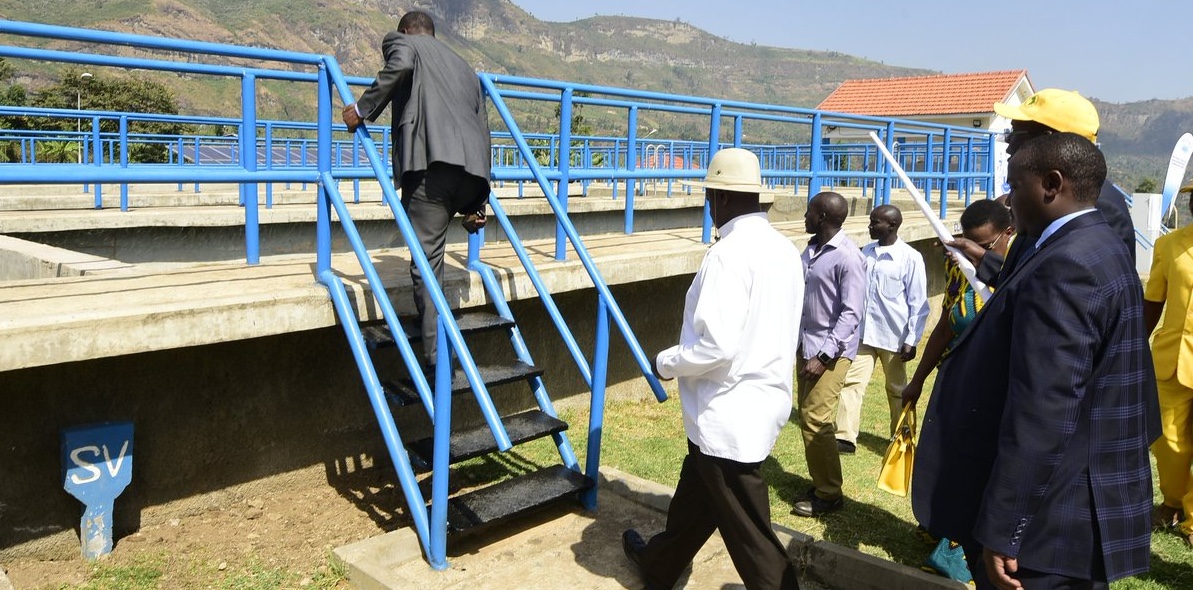
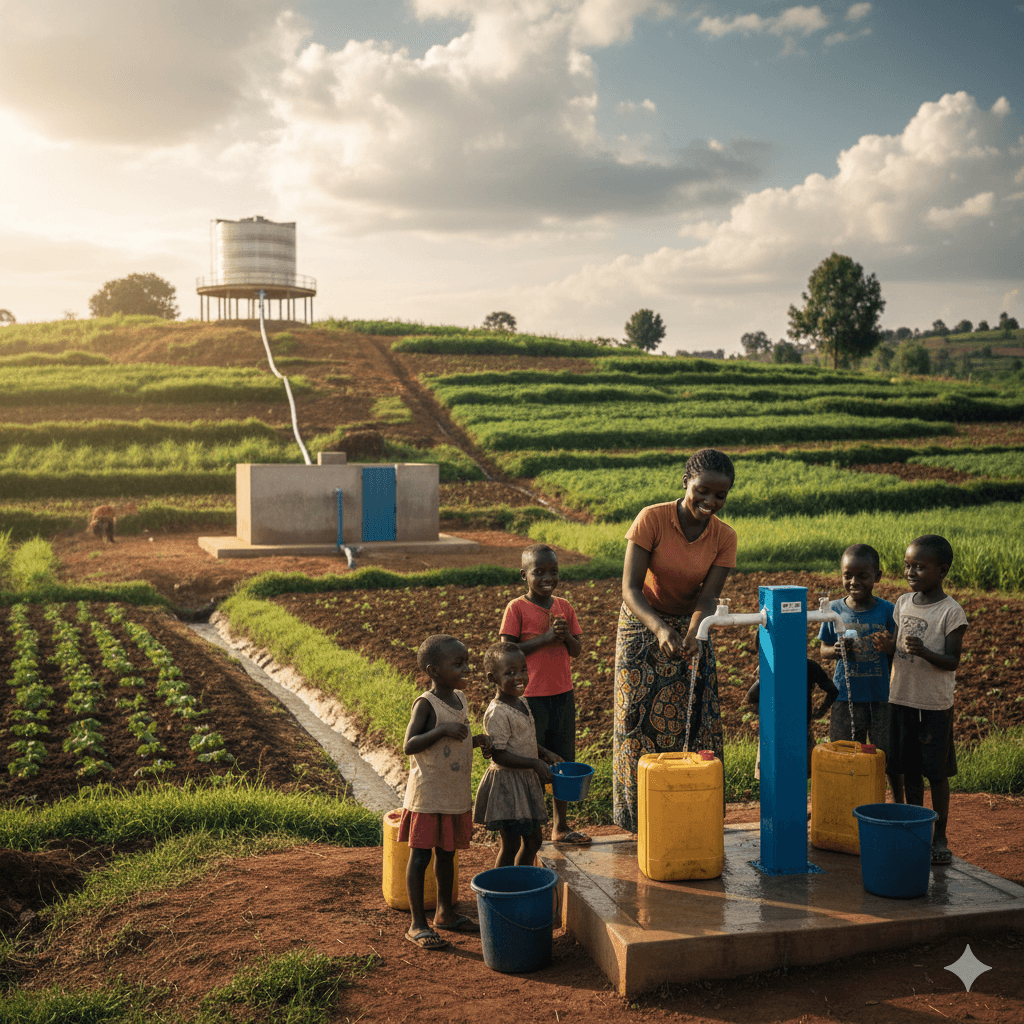
The Integrated Water Management and Development Project (IWMDP) is a Seven (7) year Government of Uganda (GoU) Project funded with a loan worth US $313 Million by the World Bank. The Project will support GoU through the Ministry of Water and Environment (MWE) and the National Water and Sewerage Corporation (NWSC) in achieving the United Nation’s Sustainable Development Goals (SDGs), including SDG #6, ‘Ensure availability and sustainable management of water and sanitation for all.’ Core Objective: The primary objective of the IWMDP is to improve access to water supply and sanitation (WSS) services, strengthen capacity for integrated water resources management, and enhance the operational performance of water and sanitation service providers in project areas. This aims to ensure sustainable access to clean water and improved sanitation for a significant portion of Uganda’s population, particularly in vulnerable regions. Funding and Implementation: The project is funded by the World Bank, primarily through the International Development Association (IDA), with an initial credit of US $280 million and an additional US $29 million from the IDA 18 Sub-Window for Refugees and Host Communities. Additional co-financing includes KfW (US$25 million) and GoU Counterpart financing (US$8 million). The Ministry of Water and Environment (MWE) and the National Water and Sewerage Corporation (NWSC) are the key implementing agencies, responsible for different components of the project. The project commenced in June 2019 and is currently projected to close in January 2026. Project Area and Beneficiaries: The IWMDP targets various areas across Uganda, with a significant focus on improving services in: Small towns and Rural Growth Centers (RGCs): These areas are critical for expanding access beyond major urban centers. Large towns: Especially those with significant populations and growing demand. Districts hosting refugees and host communities: Addressing the increased strain on water and sanitation infrastructure due to large refugee populations. This includes areas like Adjumani, Yumbe, Arua, Moyo (including Obongi), Lamwo, and Kiryandongo. Specific towns and regions mentioned in project documents and news include Busia, Gulu, Mbale, Kumi, Namasale, Koboko, Rakai, Kagadi, Kakumiro, Kaliro, Iganga (Namungalwe), Kyegegwa, and Ruyonza (Rukungiri). The project is designed to benefit hundreds of thousands, if not millions, of Ugandans, including an estimated 1,075,000 people in Adjumani and Mbale alone, with long-term projections to serve even larger populations by 2040. Key Components and Activities: The IWMDP is structured around four main components: Water Supply and Sanitation (WSS) in Small Towns and Rural Growth Centers (RGCs) and Support to Districts Hosting Refugees: Construction and rehabilitation of WSS facilities: This includes new water supply systems, expansion of existing ones, and improvement of sanitation infrastructure. Technical assistance to small towns: Supporting the preparation of fecal sludge management assessments and integrated sanitation plans. Support for refugee and host communities: Providing piped water supply and sanitation services in areas with significant refugee populations. Water Supply and Sanitation (WSS) in Large Towns: Construction and rehabilitation of WSS infrastructure in larger municipalities: This component is primarily implemented by NWSC to enhance services in growing urban centers like Mbale and Gulu, including the development of new water sources, treatment plants, transmission pipelines, and sewerage systems. Development of Faecal Sludge Treatment Plants (FSTPs): Improving urban sanitation by managing wastewater and fecal sludge. Water Resources Management: Strengthening institutional capacity for integrated water resources management (IWRM): This involves developing and implementing water management plans, monitoring water quality and quantity, and promoting sustainable use of water resources. Support for water source protection: Implementing measures to safeguard water sources and their catchments, ensuring long-term sustainability. Project Implementation and Sector Support: Project management and coordination: Ensuring efficient execution, monitoring, and evaluation of project activities. Capacity building: Strengthening the human and institutional capacities of MWE, NWSC, and local governments to manage water resources and deliver services effectively. Environmental and social safeguards: Implementing measures to mitigate any potential negative environmental and social impacts of project activities, ensuring compliance with World Bank and national standards. This includes the development and application of Environmental and Social Management Frameworks (ESMFs) and site-specific Environmental and Social Impact Assessments (ESIAs)/Environmental and Social Management Plans (ESMPs).
Introduction The Government of Uganda through the Ministry of Water and Environment (MWE) with technical support from the United Nations Environment Programme (UNEP) is implementing a project titled “Reducing the climate change vulnerability of local communities in Uganda through Ecosystem Based Adaptation (EbA) in forest and wetland ecosystems”. The project is funded by the Global Environment Facility (GEF), Least Developed Country Fund (LDCF) totaling USD 4,350,000. The goal of this project is to reduce the vulnerability of communities living around wetlands and forests to climate change with the specific objective of increasing the technical and institutional capacity of government authorities and local communities in Uganda to implement EbA in wetland and forest ecosystems to reduce vulnerability of dependent communities to observed and anticipated effects of climate change. The project outcome areas: Outcome 1: Technical and institutional capacity at the local and national level to integrate EbA into existing management plans for wetlands and forests is strengthened Outcome 2: Climate change vulnerability of communities living around degraded wetlands and forests is decreased through the implementation of EbA interventions Outcome 3: Communities living at the project intervention sites have increased capacity to adopt alternative livelihoods and climate-resilient agriculture techniques to decrease their vulnerability to climate change and reduce degradation of wetlands and forests. Outcome 4: Increased knowledge and awareness of government officials and communities at project intervention sites of: i) the ecosystem services provided by wetlands and forests; and ii) the benefits of EbA for increasing the resilience of livelihoods to climate change Project intervention sites: This project is being implemented in four intervention areas-ecosystems R Enyau system (Arua; Arua City) R Sironko system (Sironko; Bulambuli) R Rwambu-Mpanga system (Ibanda; Kitagwenda and Kamwenge) R Rwizi-Nakivale system (Mbarara; Mbarara City)
The Ministry of Water and Environment is committed to avoiding, minimizing, and mitigating adverse environmental and social impacts associated with its projects, as well as adopting a gender-sensitive and gender-equitable approach for all its projects.