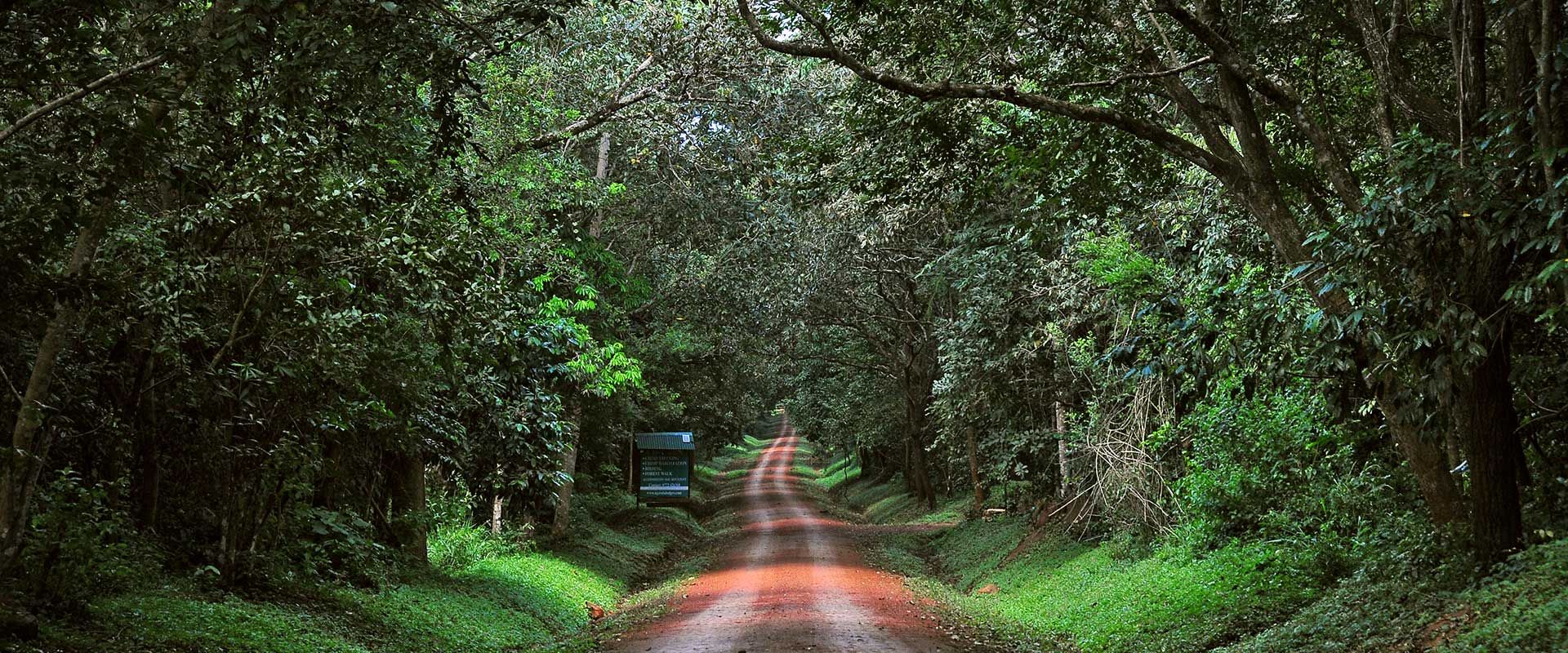
Forestry Services
Visit a forest reserve, plant trees and get forestry licences.
Open Forestry ServicesWe are committed to ensuring sustainable management of Uganda's water and environment resources for the benefit of present and future generations. Our mission is to promote and ensure the rational and sustainable utilization of water and environment resources for socio-economic development.
Our Mission Statement:
To promote efficient and effective utilization of water and environment resources for a healthy, wealthy and climate resilient population
Vision Statement:
Transformed Ugandan Society with environment and natural resources sustainably managed.
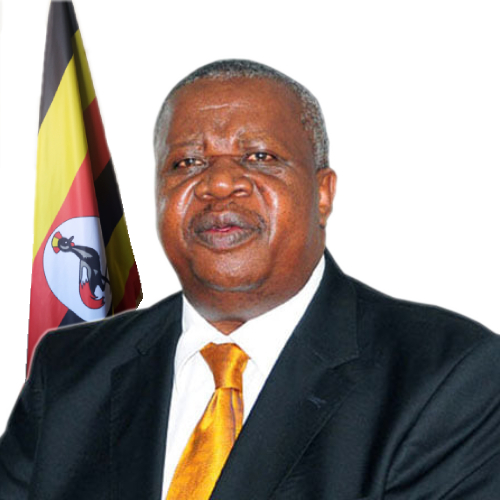
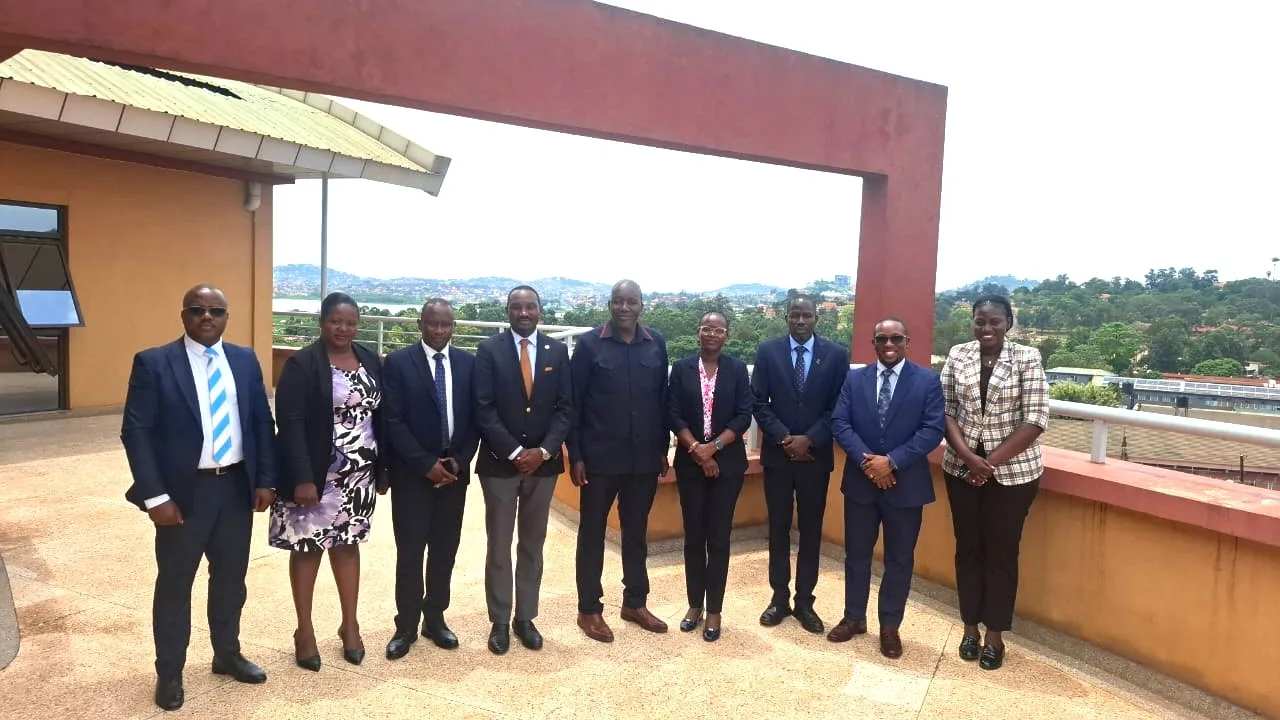
Minister of Water & Environment
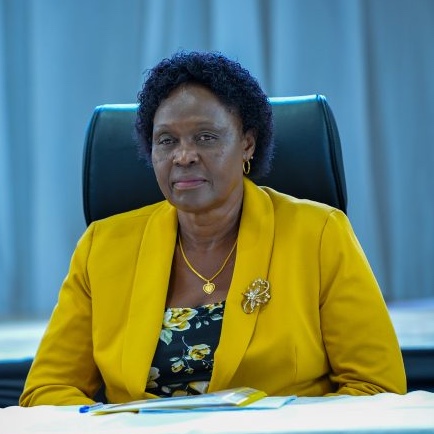
Minister of State for Environment
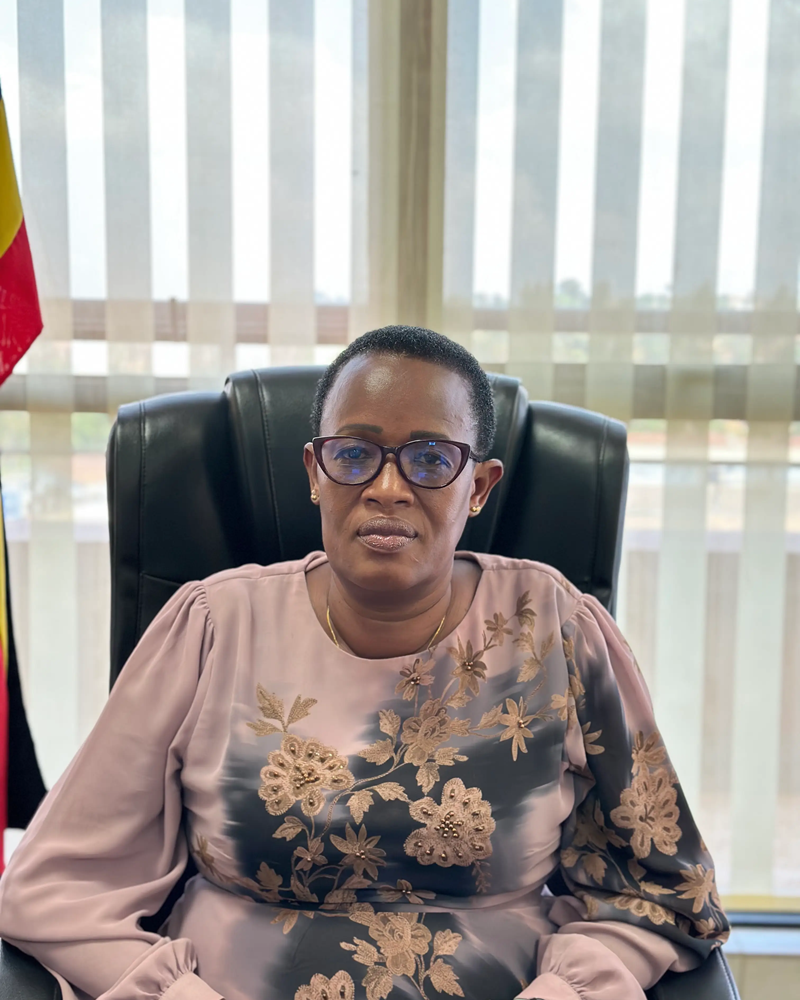
Minister of State for Water
Minister of Water & Environment
Minister of State for Environment
Minister of State for Water
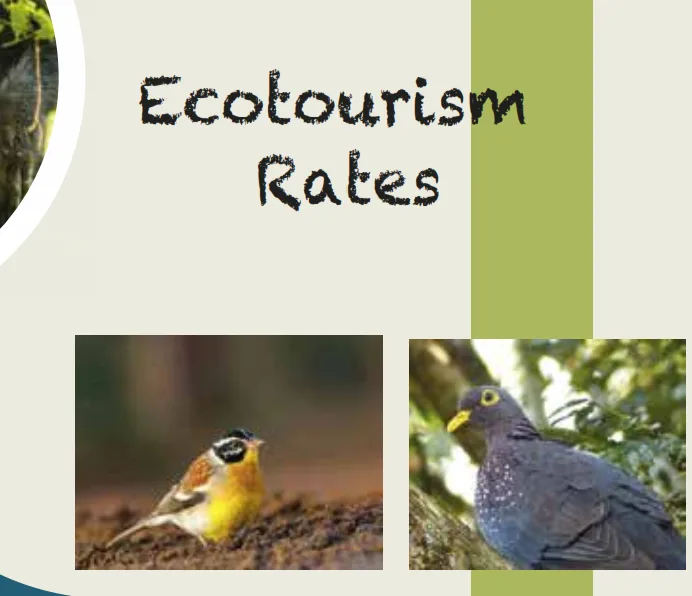
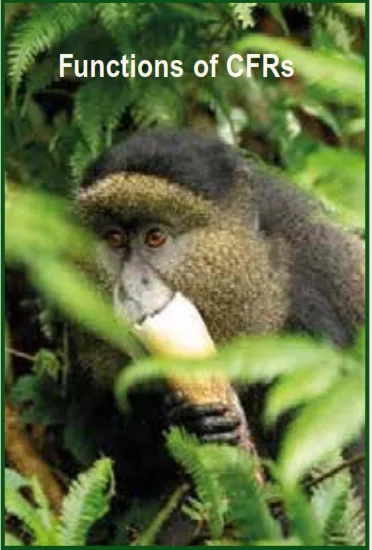
Visit a forest reserve, plant trees and get forestry licences.
Open Forestry ServicesOfficial forecasts and outlooks from Meteorological Services.
Open Weather & Forecasts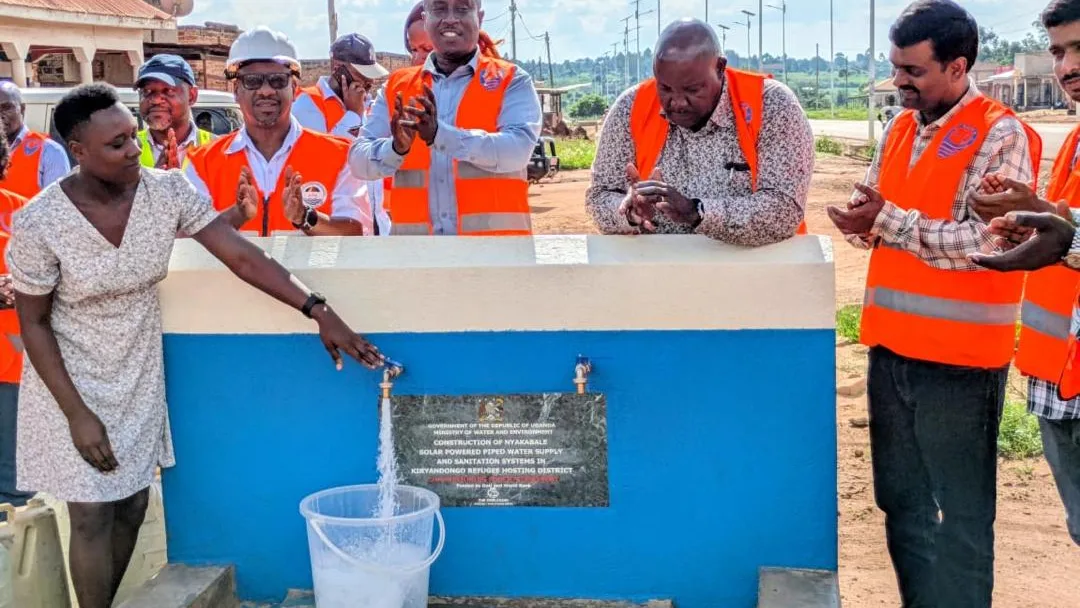
The Ministry of Water and Environment (MWE), through the Rural Water Supply and Sanitation Department (RWSSD), commissioned GASPA, Nyakabaale, and Mutunda RGC w...
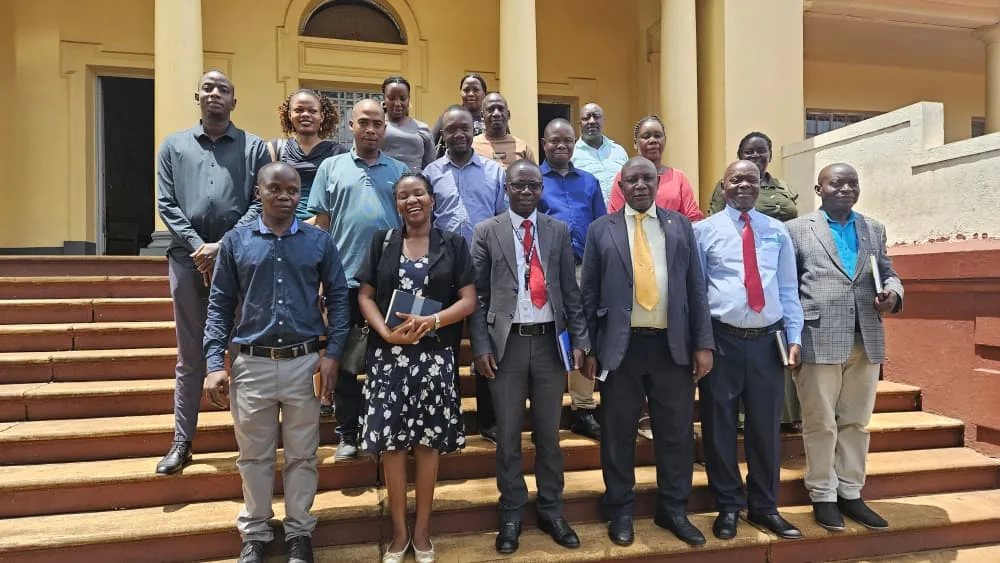
Jinja District local government officials and leaders in Butagaya Sub-county have pledged their supp...
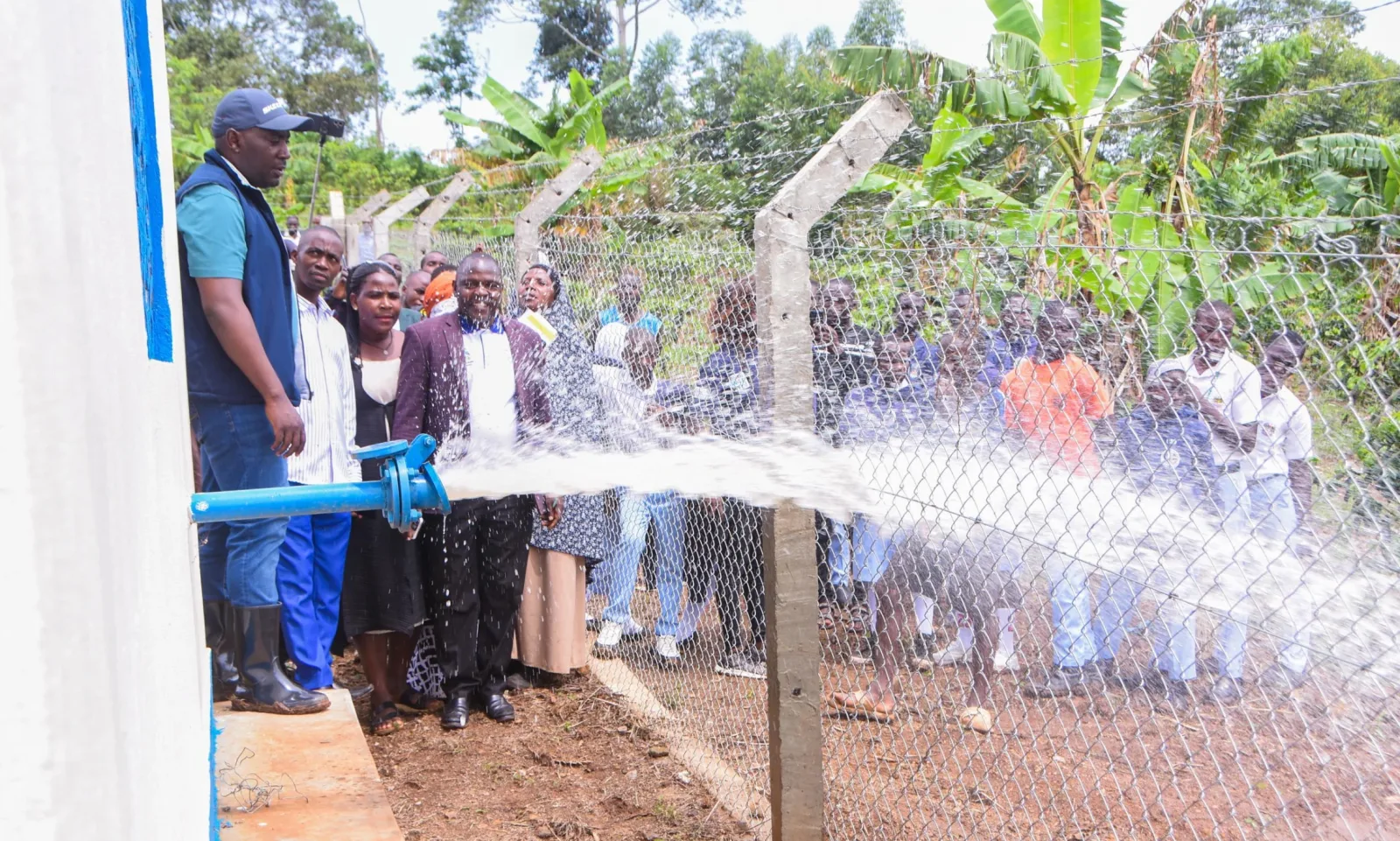
Bukomansimbi District, 20 October 2026 - The Ministry of Water and Environment, with financial suppo...
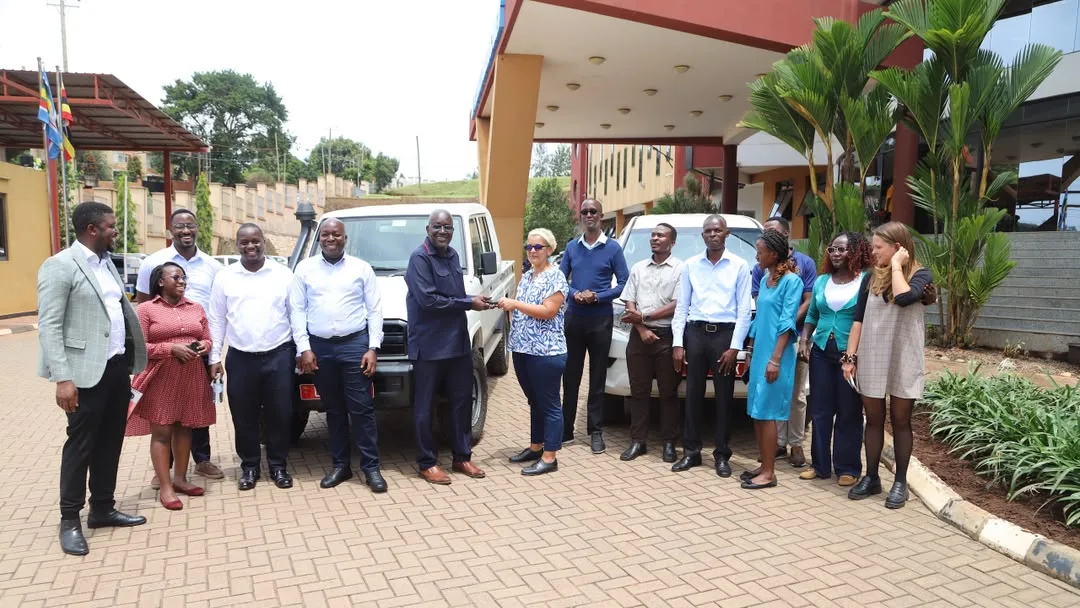
The Ministry of Water and Environment with support from GIZ has been implementing construction of Wa...
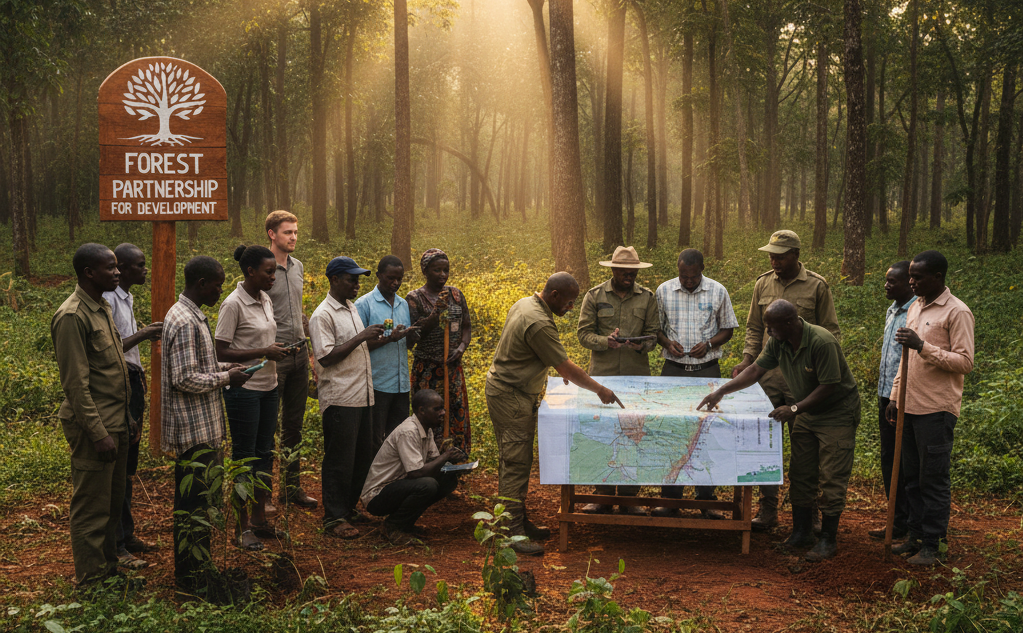
European Green Deal – focused and strategic action to international response to forest on environmental issues. MoU for a Forest Partnership was signed on 8th November 2022 at COP2...
Learn more about The Forest Partnership and Partnership for Forest Development ProjectVCS Program The Verified Carbon Standard (VCS) Program is the world’s most widely used greenhouse gas (GHG) crediting program. The Verified Carbon Standard (VCS) Program is the wor...
Learn more about The Verified Carbon Standard ProgramIntroduction The Government of Uganda (GOU) has received funding from the Global Environment Facility (GEF) through the African Development Bank (AfDB) for the development of the S...
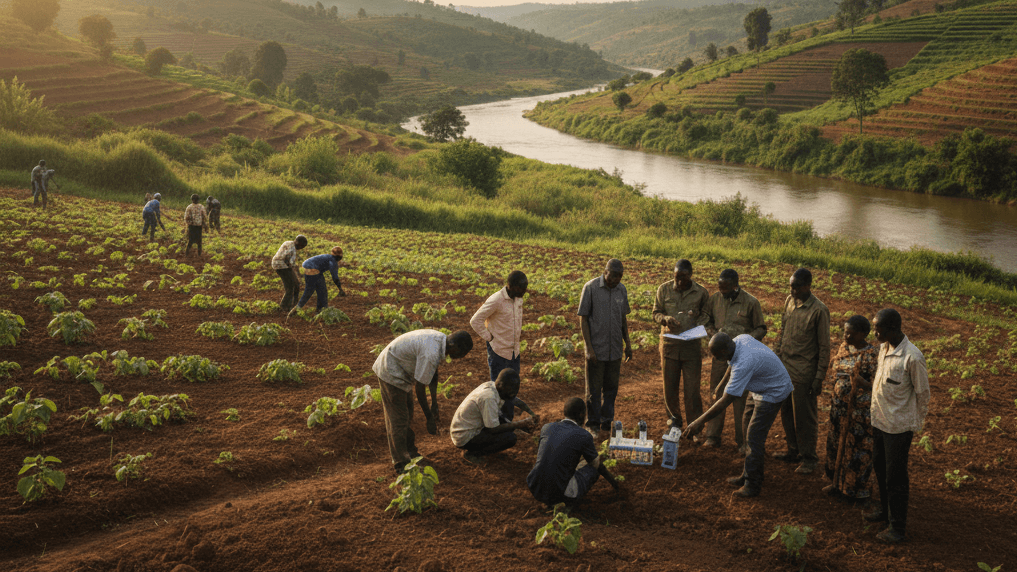
Learn more about Strengthening the Adaptive Capacity and Resilience of Communities in Uganda’s WatershedsThe project is funded by the Adaptation Fund through the Sahara and Sahel Observatory. The overall objective of the project is to increase the resilience of smallholder farmers and...
Learn more about Strengthening Drought Resilience for Small Holder Farmers and Pastoralists in the IGAD RegionUganda’s National Adaptation Plan (NAP) project is a strategic initiative to strengthen the country’s resilience to climate change through long-term, integrated planning. It’s back...
Learn more about National Adaptation PlanIntroduction The Government of Uganda through the Ministry of Water and Environment (MWE) with technical support from the United Nations Environment Programme (UNEP) is implementin...
Learn more about Ecosystem Based AdaptationProject summary Between 2016 and 2017, Uganda achieved a major climate milestone by reducing over 8 million tonnes of CO₂ equivalent through targeted efforts to combat deforestatio...
Learn more about Uganda REDD+ Result Based Payments for results period 2016- 2017The IFPA-CD project development objective is to to improve sustainable management of forests and protected areas and increase benefits to communities from forests in target landsca...
Learn more about Investing in Forest and Protected Areas for Climate Smart Development ProjectThe Ministry of Water and Environment is committed to avoiding, minimizing, and mitigating adverse environmental and social impacts associated with its projects, as well as adopting a gender-sensitive and gender-equitable approach for all its projects.
View StandardsFollow us on X
@min_waterUg
Daily updates on water, weather and the environment: announcements, field work and events from the Ministry.