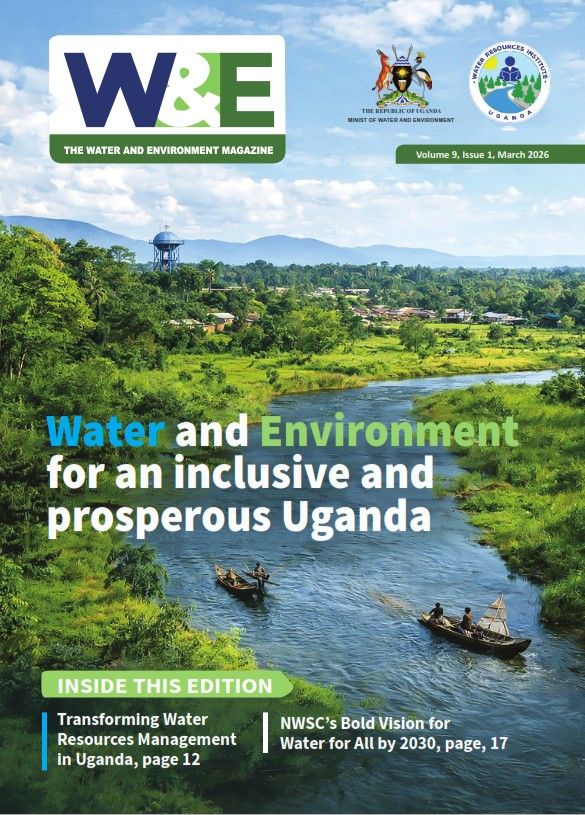
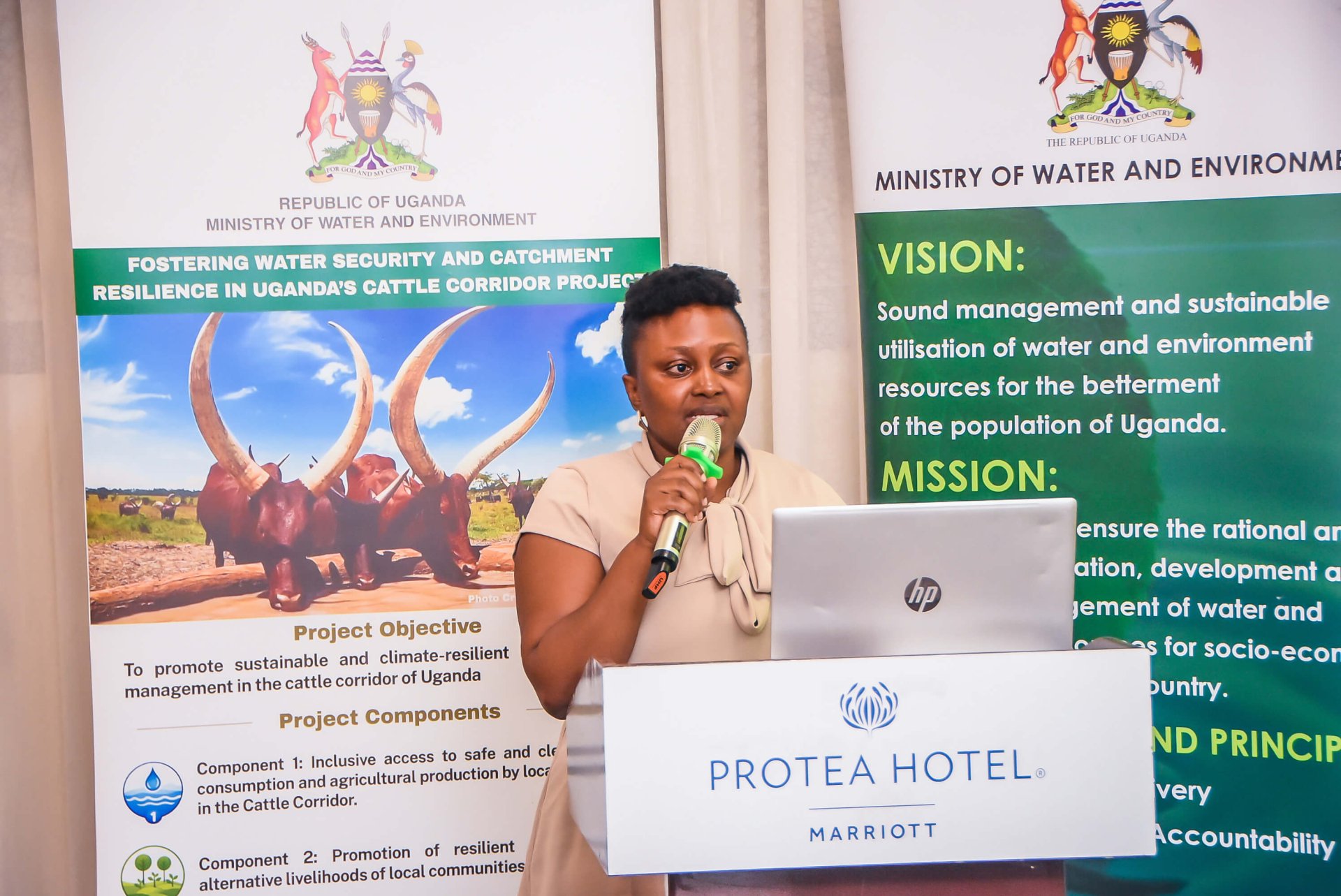
We are committed to ensuring sustainable management of Uganda's water and environment resources for the benefit of present and future generations. Our mission is to promote and ensure the rational and sustainable utilization of water and environment resources for socio-economic development.
Our Mission Statement:
To promote efficient and effective utilization of water and environment resources for a healthy, wealthy and climate resilient population
Vision Statement:
Transformed Ugandan Society with environment and natural resources sustainably managed.
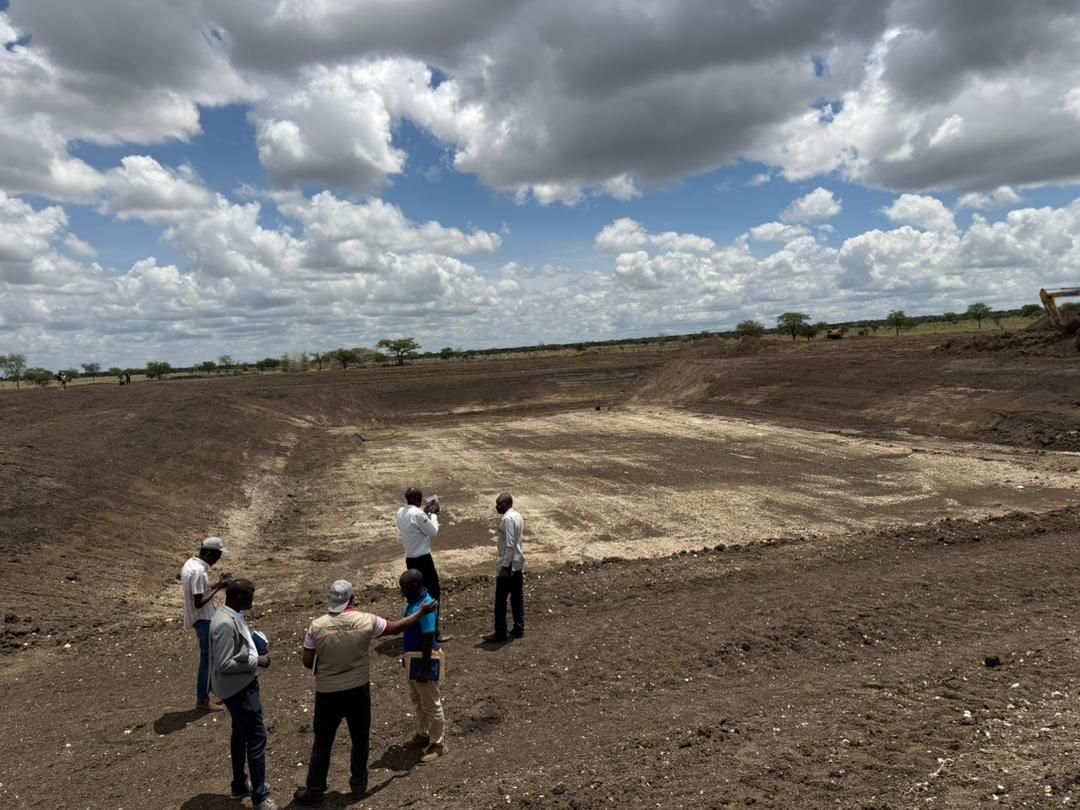
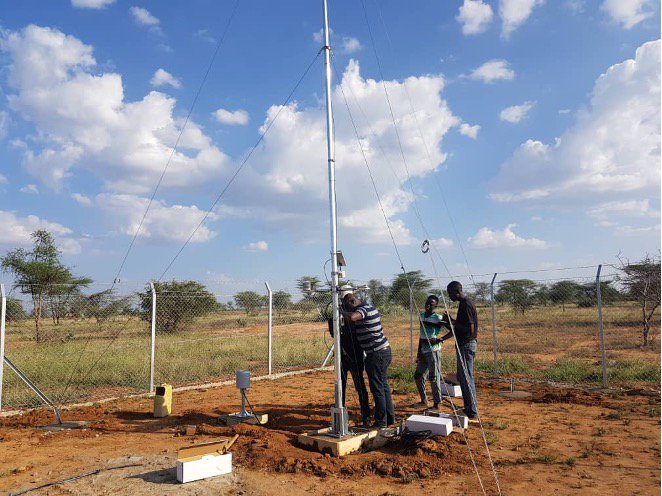
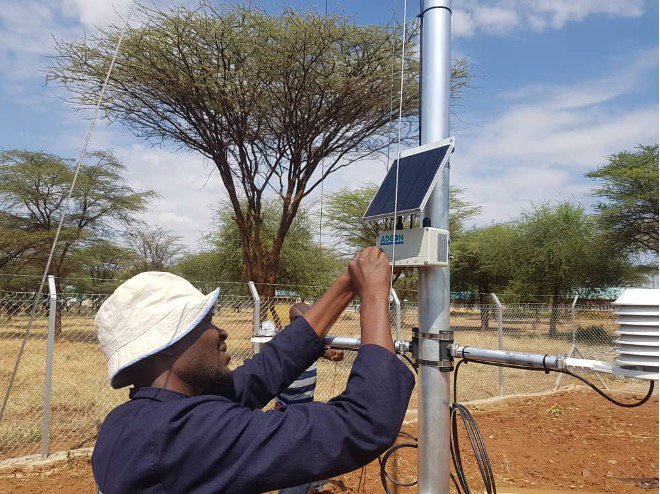
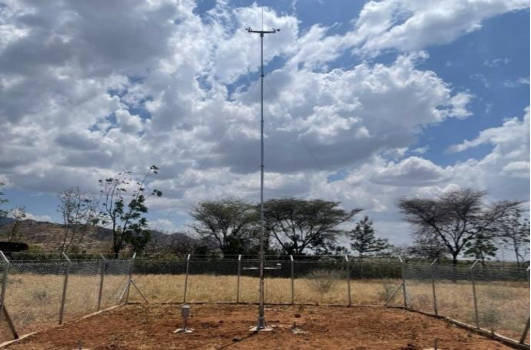
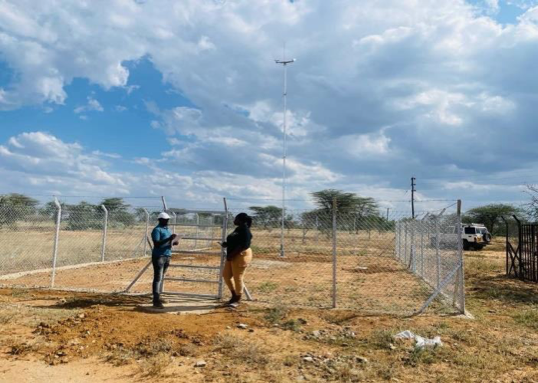
The project is funded by the Adaptation Fund through the Sahara and Sahel Observatory. The overall objective of the project is to increase the resilience of smallholder farmers and pastoralists to climate change risks mainly those related to drought, through the establishment of appropriate early warning systems and implementation of drought adaptation actions in the IGAD region. The project targets to consolidate synergies and adopt innovative and resilient drought management actions from selected IGAD region countries including Djibouti, Kenya, Sudan and Uganda. More specifically, this project is intended to strengthen the drought resilience of smallholder farmers and pastoralists by:Developing and promoting regional investments in early drought warning systems (EWS) and improving the existing ones.Strengthening and improving the capacity of key stakeholders in drought risk management at regional, national and local levels.Facilitating smallholder farmers and pastoralists inputs to undertake innovative adaptation actions that reinforce their resilience to drought.Enhancing knowledge management and information sharing on drought resilience at the considered levels.Project implementation arrangementsThe project is implemented in collaboration with mandated institutions, such as the Department of Meteorology (MWE), the Ministry of Agriculture, Animal Industry and Fisheries, and Nabuin Zonal Agriculture Research and Development Institute (ZARDI).DRESSEA Project Area:Moroto (All sub counties), Napak (Ngolereit, Matany, Lopeei, Lotome, and Lokopo), and Nabilatuk (Lorengedwat)Estimated Project Cost: USH 9,236,379,840Project Duration, 4 years, launched in 2021 at national level, now in extension period.Project Coordinator:Name: Dr. Callist Tindimugaya, Commissioner, Water Resources Planning and RegulationMobile Phone: 0772521413Email: [email protected] weather stations have been installed in Moroto (Rupa) and Napak (Matany).1 Early Warning Information Center has been renovated and equipped at the Department of Meteorology.Non-Smart Phones and solar radios have been distributed to 115 farmer groups to improve their access to early warning information.Drought Management Plan and Emergency Response Plan has been prepared for Lokere Catchment.115 farmer groups have been trained in drought adaptation measures and provided with seeds and seedlings of drought tolerant crop varieties.4 water harvesting structures have been constructed in Moroto (Lotisan and Tapac), Napak (Lopeei and Lokopo).Soil and water conservation measures have been implemented in Moroto, Napak, and Nabilatuk to improve crop productivity.3 water boreholes have been protected following the guidelines for the protection of groundwater sources.Impact:Early waring information sharing and feedback collection meetingsInnovative soil on farm soil and water conservation techniques in Vegetable growing in Katikekile Sub CountyPerma-gardens in Moroto (Nakonyen and Lotisan)Distribution of seeds in Lokopo Sub County
LGFSsThe Ministry of Water and Environment is actively implementing and expanding its program for Large Gravity Flow Schemes across Uganda. This strategic approach to water supply development leverages Uganda’s natural topography, particularly in hilly and mountainous regions, to deliver safe, clean, and reliable piped water to communities without the need for energy-intensive pumping. By harnessing the natural force of gravity, these schemes offer a sustainable and cost-effective solution for increasing water access, improving public health, and reducing the burden of water collection, particularly for women and children in rural and peri-urban areas.Key Objectives of the Program:The Large Gravity Flow Schemes program aims to achieve several critical objectives:Increase Access to Safe Piped Water: To significantly expand the percentage of the population with sustainable access to safe and readily available piped water, especially in geographically challenging terrains where conventional motorized systems might be impractical or costly.Ensure Reliable and Sustainable Water Supply: To provide communities with a continuous and dependable flow of water throughout the year, utilizing perennial high-altitude water sources.Optimize Cost-Effectiveness and Sustainability: To reduce the operational and maintenance costs associated with water supply by minimizing or eliminating the need for pumps, thereby ensuring the long-term viability of the schemes.Improve Health, Sanitation, and Hygiene: To contribute directly to better health outcomes by providing clean water for drinking, cooking, and domestic hygiene, reducing the incidence of waterborne diseases.Reduce Distances to Water Sources: To bring water closer to households, schools, and health centers, saving communities significant time and effort previously spent on fetching water from distant or unsafe sources.Promote Environmental Protection: To ensure the protection and sustainable management of the water sources and their catchment areas, safeguarding the quantity and quality of water for future generations.Project Scope and Typical Activities:The implementation of Large Gravity Flow Schemes involves a comprehensive set of activities:Feasibility Studies and Source Identification: Thorough technical and social assessments to identify perennial springs, rivers, or other suitable water sources at higher elevations.Intake Structure Construction: Building robust intake structures at the water source to abstract water efficiently while protecting its quality.Transmission Pipeline Laying: Installation of extensive main pipelines, often spanning many kilometers, to convey water from the intake to storage reservoirs, utilizing gravity.Reservoir and Break-Pressure Tank Construction: Building strategically located reservoirs (storage tanks) and break-pressure tanks to manage water flow, maintain pressure, and ensure sufficient storage capacity.Distribution Network Development: Establishment of a network of secondary pipelines to distribute water from the reservoirs to various communities.Public Water Point (Standpipe) and Household Connections: Installation of public standpipes in accessible locations and facilitating private household connections where feasible.Water Source Protection: Implementing measures such as fencing, tree planting, and community sensitization to protect the integrity of the water source and its immediate catchment.Community Mobilization and Capacity Building: Engaging local communities, forming Water and Sanitation Committees (WSCs), and providing training on scheme operation, maintenance, and financial management to ensure local ownership and sustainability.Expected Impact and Benefits:The Large Gravity Flow Schemes program is expected to bring transformative benefits to beneficiary communities:Enhanced Water Coverage: A significant increase in the number of people with access to safe and reliable water, particularly in challenging terrains.Improved Public Health: A noticeable reduction in waterborne diseases due to the availability of clean water.Time and Labor Savings: Freeing up valuable time, especially for women and girls, which can be re-allocated to education, economic activities, and other productive endeavors.Economic Empowerment: Creating opportunities for small-scale agriculture and other enterprises due to reliable water access, and reducing healthcare expenditures.Environmental Sustainability: Promoting eco-friendly water supply solutions with minimal energy requirements and fostering responsible water resource management.This ongoing program is a cornerstone of Uganda’s commitment to achieving national water security and contributing to the Sustainable Development Goals (SDGs), particularly SDG 6 on Clean Water and Sanitation.Bukedea GFS Revised RAP ReportBukedea District is water stressed and lies within the flood zone and hence faces a major challenge of increasing access to clean and safe water to its rapidly growing population amidst diminishing water resources both in quantity and quality. Ground water resourceshave proved inadequate to meet the district’s potable water demand.
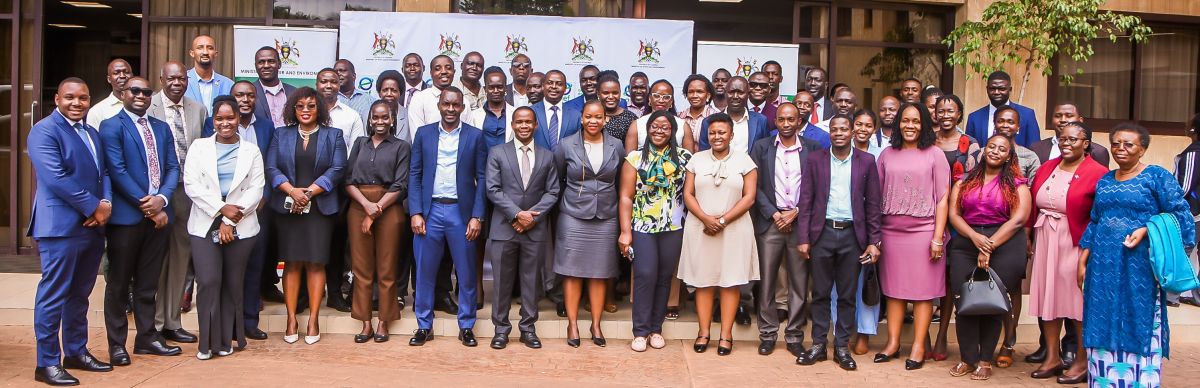
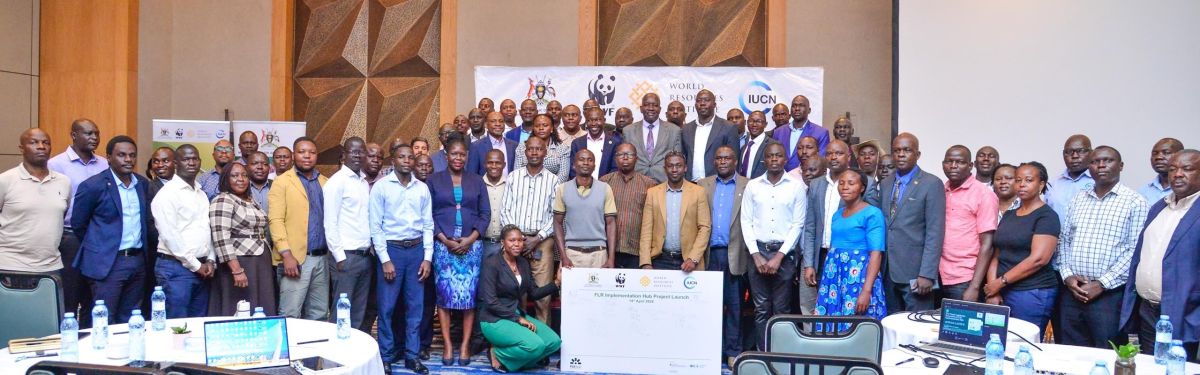
August 8, 2024 – Kabarole District: The Ministry of Water and Environment has officially launched an ambitious watershed management and nature-based conservation project aimed at safeguarding the Mpanga catchment area, which spans approximately 5,200 km² across the districts of Kabarole, Kyenjojo, Kitagwenda, Kamwenge, Kazo, Ibanda, Mbarara, and Kiruhura. This project is set to play a pivotal role in addressing pressing environmental challenges, including wetland encroachment, river bank degradation, and pollution, as identified in the Mpanga Catchment Management Plan (CMP) completed in 2015.The CMP has been actively implemented by both government and non-government actors under the leadership of the Directorate of Water Resources Management through the Albert Water Management Zone (AWMZ) since 2015. With a fresh injection of funding from the Conrad N. Hilton Foundation, the Ministry is poised to intensify efforts in watershed management and nature-based water conservation activities within the Mpanga catchment.The project launch, held in Fort Portal Tourism City, Kabarole District, was graced by the Director Water Resources Management, Dr Callist who represented the Minister of Water and Environment and who delivered an inspiring speech. “It is my honor and privilege to be with you today at the launch of this transformative initiative, made possible through the generous support of the Conrad N. Hilton Foundation,” the Minister began. “This project marks a significant milestone for sustainable water management and environmental stewardship in the Mpanga Catchment.”Project Goals and ObjectivesThe primary goal of this project is to bolster the implementation of the Mpanga Catchment Management Plan by enhancing the capacity of the AWMZ and Catchment Management Organizations (CMOs). Specific objectives include:Building the capacity of catchment management organizations to improve institutional processes, planning, and management through targeted training programs.Strengthening the AWMZ staff’s ability to coordinate activities through enhanced skills in work planning, monitoring, and conducting technical tests to ensure effective implementation.Supporting the restoration and implementation of priority conservation measures within the catchment.Positioning the AWMZ as a model for catchment-based water resources management by promoting institutional cooperation and disseminating success stories from the Mpanga catchment.Project Timeline and FundingThe project is slated to run for three years, from June 2024 to June 2027, with a total budget of 1.395 million USD, generously provided by the Conrad N. Hilton Foundation. The Ministry of Water and Environment will lead the project, collaborating closely with key partners such as Water for People and Join for Water, along with additional consultancy firms to be procured by the Ministry.Anticipated BenefitsThe project is expected to yield significant environmental and institutional benefits, including:Restoration of degraded landscapes through afforestation on both private and public lands.Restoration and demarcation of wetland systems and their buffer zones.Establishment of soil and water conservation structures.Installation of a mini weather station within the Mpanga catchment.Construction of a hydro-monitoring station at the Mpanga catchment outlet.Capacity building for the Mpanga Catchment Management Organization (CMO) to enhance its operational effectiveness.The Minister highlighted the project’s focus on scaling up these efforts: “Today, we embark on a journey to scale up the implementation of remedial catchment management measures in the Mpanga Catchment to safeguard our precious water and environmental resources for generations. This project will focus on data collection, wetland restoration, re-afforestation, and capacity development of the Catchment Management Organization.”As the project officially gets underway, it marks a significant step forward in the sustainable management of the Mpanga catchment, ensuring the protection and conservation of vital water resources for the communities and ecosystems that depend on them.The Minister concluded by expressing gratitude to the partners involved: “I appreciate the Water For People team working tirelessly with the Ministry staff in drafting the project proposal. I also acknowledge Join For Water for their support in the preparatory meetings.”The launch event was attended by key stakeholders, including district chairpersons, resident district commissioners, chief administrative officers, representatives from civil society organizations, the private sector, religious institutions, and the media.This ambitious project underscores the Ministry of Water and Environment’s commitment to sustainable environmental management and its role in contributing to global climate change mitigation efforts.
The Emergency Preparedness and Response Plan (EPRP) has been developed to guide all stakeholders – including contractors, consultants, local government officials, and project beneficiaries—on how to prepare for, respond to, and recover from emergencies that may arise during the construction and operational phases of the Multi-Purpose Water for Climate Resilience and Irrigation Development for Livelihood Transformation (MWACRID) Project. The project is being implemented in the sub-counties of Masindi-Port and Kigumba in Kiryandongo District, as well as Mirya and Kimengo in Masindi District, Uganda. This plan reinforces the project’s commitment to safety, sustainability, and compliance with the African Development Bank’s (AfDB) environmental and social safeguard policies. This plan ensures consistent procedures are in place across all project components to minimize risk to human health, the environment, infrastructure, and financial investment. The project will consist of two major components: a potable water supply infrastructure and an irrigation water supply system. Key features include diversion canals, intake and pump stations, treatment plants, transmission and distribution pipelines, and various support facilities such as process buildings, control rooms, electrical and maintenance buildings, administrative offices, and reservoir tanks. Each component is designed to enhance water access for both domestic use and irrigation purposes. A detailed description of these components is provided in appendix 1.1.1. Purpose of the PlanThe purpose of this plan is to provide measures and guidance for the establishment and implementation of emergency preparedness and response plan for the Multi-Purpose Water for Climate Resilience and Irrigation Development for Livelihood Transformation (MWACRID) Project. The purpose of the EPRP is to:Provide a plan, which facilitates public safety by notifying all appropriate authorities and stakeholders;Provide information to all stakeholders to allow for an informed evaluation to be made during emergency events;Provide a plan of action for foreseeable flood emergencies affecting safety of the MWACRID Project and local communities;Ensure all personnel and visitors are given the maximum protection from unforeseen events;Ensure all personnel are aware of the importance of this plan to support the protection of life and property.The plan is intended to assist the Contractor, Employer, the local community and any other stakeholders in responding swiftly and effectively in the event of an emergency at the MWACRID Project.This plan is primarily biased to emergency preparedness and response to MWACRID –Project water reservoirs and bulk water transmission lines and associated risks directly linked to the proposed bulk water supply infrastructure.It is important to note that other common emergencies or risks associated with the MWACRID-P associate project’s such as marram borrow areas, water abstraction point, rock blasting for rocky areas and a host of other policies, procedures and plans that the Contractor has developed with respect to MWACRID -P.Therefore; this Emergency Preparedness and Response Plan in a bid avoid duplication of other plans and procedures already prepared by the contractor will prioritize and discuss bulk water transmission lines and water reservoir(s) for MWACRID P, an aspect which is not exhaustively addressed in the other MWACRID P plans, procedures and policies.
The project is funded by the Adaptation Fund through the Sahara and Sahel Observatory. The overall objective of the project is to increase the resilience of smallholder farmers and pastoralists to climate change risks mainly those related to drought, through the establishment of appropriate early warning systems and implementation of drought adaptation actions in the IGAD region. The project targets to consolidate synergies and adopt innovative and resilient drought management actions from selected IGAD region countries including Djibouti, Kenya, Sudan and Uganda. More specifically, this project is intended to strengthen the drought resilience of smallholder farmers and pastoralists by:Developing and promoting regional investments in early drought warning systems (EWS) and improving the existing ones.Strengthening and improving the capacity of key stakeholders in drought risk management at regional, national and local levels.Facilitating smallholder farmers and pastoralists inputs to undertake innovative adaptation actions that reinforce their resilience to drought.Enhancing knowledge management and information sharing on drought resilience at the considered levels.Project implementation arrangementsThe project is implemented in collaboration with mandated institutions, such as the Department of Meteorology (MWE), the Ministry of Agriculture, Animal Industry and Fisheries, and Nabuin Zonal Agriculture Research and Development Institute (ZARDI).DRESSEA Project Area:Moroto (All sub counties), Napak (Ngolereit, Matany, Lopeei, Lotome, and Lokopo), and Nabilatuk (Lorengedwat)Estimated Project Cost: USH 9,236,379,840Project Duration, 4 years, launched in 2021 at national level, now in extension period.Project Coordinator:Name: Dr. Callist Tindimugaya, Commissioner, Water Resources Planning and RegulationMobile Phone: 0772521413Email: [email protected] weather stations have been installed in Moroto (Rupa) and Napak (Matany).1 Early Warning Information Center has been renovated and equipped at the Department of Meteorology.Non-Smart Phones and solar radios have been distributed to 115 farmer groups to improve their access to early warning information.Drought Management Plan and Emergency Response Plan has been prepared for Lokere Catchment.115 farmer groups have been trained in drought adaptation measures and provided with seeds and seedlings of drought tolerant crop varieties.4 water harvesting structures have been constructed in Moroto (Lotisan and Tapac), Napak (Lopeei and Lokopo).Soil and water conservation measures have been implemented in Moroto, Napak, and Nabilatuk to improve crop productivity.3 water boreholes have been protected following the guidelines for the protection of groundwater sources.Impact:Early waring information sharing and feedback collection meetingsInnovative soil on farm soil and water conservation techniques in Vegetable growing in Katikekile Sub CountyPerma-gardens in Moroto (Nakonyen and Lotisan)Distribution of seeds in Lokopo Sub County
The Ministry of Water and Environment is committed to avoiding, minimizing, and mitigating adverse environmental and social impacts associated with its projects, as well as adopting a gender-sensitive and gender-equitable approach for all its projects.